
Garage Cabinets: Materials, Layouts, Costs and Buying Tips
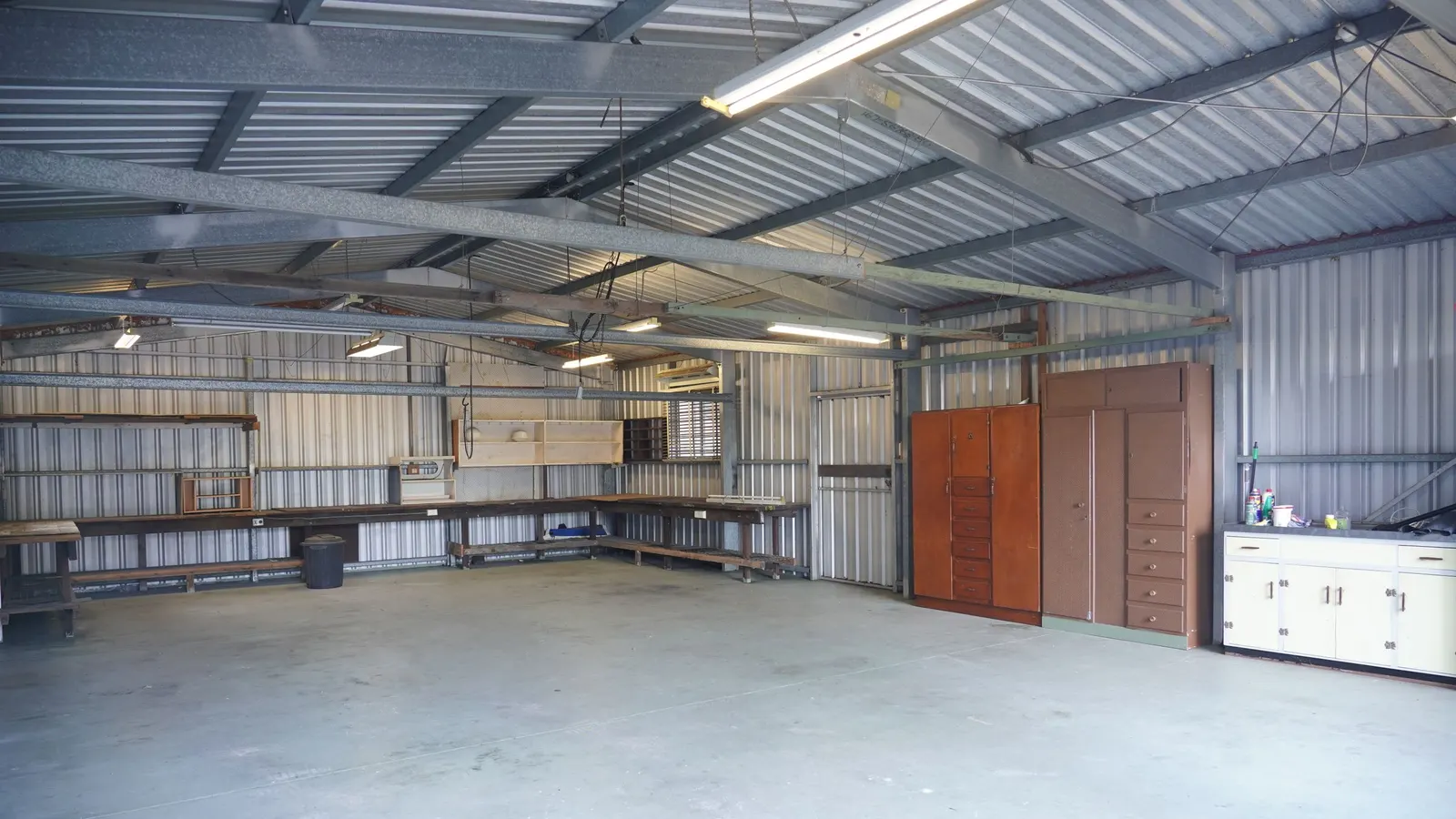
Garage cabinets turn a cluttered garage into an organized, usable space. Unlike open shelves, they hide the mess behind doors, keep dust and pests off your belongings and can lock away tools and chemicals. A good cabinet system also makes the garage look finished, which matters if you use it as a workshop, gym or entryway.
Last reviewed and updated: October 2, 2026. Written by Jeremy Jarvis.
Key takeaways
- Garage cabinets hide clutter, keep dust off stored items and can lock away chemicals and tools.
- Steel resists moisture and heavy loads; sealed plywood looks warm; particleboard is cheap but swells when wet.
- HomeGuide puts custom garage cabinets at $1,000 to $6,000 or more installed, and notes metal cabinets are a popular choice.
- Plan the layout around your cars, doors and workbench before buying, and keep cabinets off damp floors.
This guide compares garage cabinets by material and style, explains how to plan a layout around your cars, and covers safe storage, moisture and cost. If you are not sure where to start your garage project, the free Garage Makeover Plan Builder puts the upgrades in a sensible order.
Why choose garage cabinets
Most garages collect items that do not belong in the house: paint, car care products, garden supplies, sports gear and tools. Without a system, they end up in piles. Garage cabinets give each category a home and a door that closes.
Closed storage has practical benefits beyond looks. First, it keeps out dust, which is constant in a garage. Second, it protects items from pests that nest in open boxes. Third, lockable cabinets keep sharp tools and hazardous products away from children. Finally, a clean cabinet wall makes the garage feel larger, because the eye is not drawn to clutter.
Garage cabinets vs open shelving
Cabinets and shelves do different jobs, and most garages benefit from both. Open shelving is cheaper and makes bulky bins easy to see and reach. By contrast, cabinets cost more but protect contents and look tidier.

Free download: The Garage Makeover Planner
Our 12-page printable planner: garage profile, measurements and layout grid, declutter tracker, zone plan, floor chooser, door safety checks, budget worksheet and order of work.
A common approach is to put frequently used, bulky items in bins on open shelves, and small, messy or hazardous items behind cabinet doors. Similarly, long items such as ladders and garden tools often go on wall hooks. Our garage shelving guide and garage wall storage guide cover those systems in detail.
Cabinet materials compared
Material is the biggest decision, because a garage is harder on furniture than any room in the house. Temperature swings, humidity, road salt and heavy loads all test a cabinet. HomeGuide notes that metal cabinets are a popular option for garages, but each material has its place.
| Material | Strengths | Weaknesses | Best for |
|---|---|---|---|
| Powder-coated steel | Strong, moisture-resistant, easy to clean | Can dent; thin gauges flex | Humid garages, heavy tools |
| Sealed plywood | Sturdy, warm look, easy to customize | Needs a good finish; heavier | Workshops and finished garages |
| Melamine or particleboard | Low cost, smooth surface | Swells and crumbles if it gets wet | Dry, climate-controlled garages |
| Plastic or resin | Waterproof, light, affordable | Lower load capacity; can sag | Garden supplies, damp spaces |
| Aluminum | Rust-proof, light, modern look | Higher cost | Coastal homes, premium builds |
For most garages, steel is the safest all-round choice. However, if your garage is dry and heated, plywood or quality melamine can work well and cost less.
Steel garage cabinets
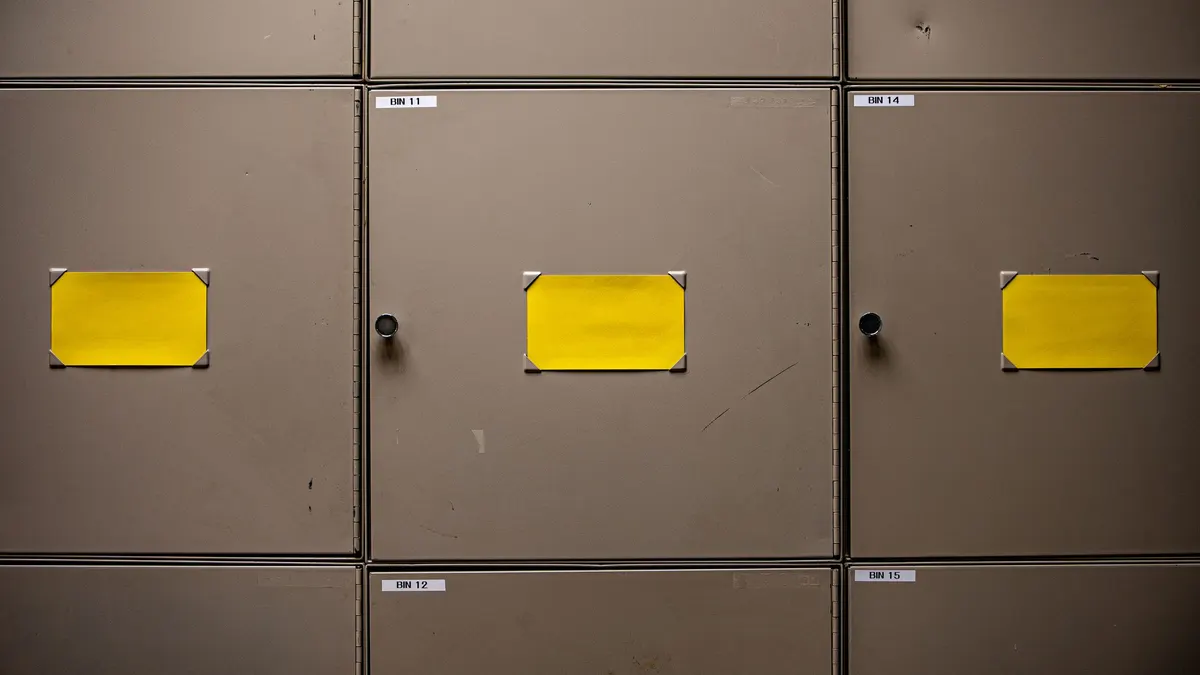
Steel cabinets dominate premium garage systems for good reasons. A powder-coated finish resists moisture, oil and most cleaners, and the steel carries heavy loads without sagging. Many systems include adjustable shelves, locking doors and matching worktops.
Quality varies, though. Thicker steel feels more solid and resists dents. Welded frames are stiffer than bolted ones. In addition, look at the hinges, drawer slides and leveling feet, because those parts wear first. A cabinet that closes smoothly and sits level will last far longer than a flimsy one with the same footprint.
Wood and plywood cabinets
Plywood cabinets look warm and can be built to any size. They suit workshops where you want a furniture-grade look or custom dimensions around odd spaces. Many owners also like that plywood is easy to modify, for example by adding hooks, power strips or dividers.
The key is protection from moisture. Seal every surface, including the back and edges, and keep the bottom off the concrete with legs or a plastic toe kick. Meanwhile, avoid bare particleboard in garages that get damp, because it swells and loses strength once it absorbs water.
Freestanding vs wall-mounted cabinets
Garage cabinets come in two main mounting styles, and the best systems often mix them. Freestanding base cabinets sit on the floor, carry heavy loads and can support a worktop. On the other hand, they take up floor space and can trap water underneath.
Wall-mounted cabinets hang on a rail or are fastened directly to the studs. They keep the floor clear, which makes sweeping easy and protects contents from water and snowmelt. However, they must be anchored properly into framing, never just into drywall. Follow the maker’s instructions for fasteners and weight limits.
A practical combination is base cabinets with a worktop along one wall, wall cabinets above, and tall locker cabinets at the end for brooms, long tools and sports gear.
Features worth paying for
A few features make a real difference in daily use:
- Adjustable shelves: let you fit tall bottles and bulky items as needs change.
- Locks: keep chemicals, sharp tools and valuables secure.
- Leveling feet: handle sloped garage floors, which are common.
- Worktop: turns a base cabinet run into a workbench.
- Integrated lighting or power: helpful in workshop layouts.
- Toe kick or legs: keep cabinet bottoms off wet concrete.
Soft-close hinges and full-extension drawer slides are nice extras. Still, prioritize sturdy construction and a moisture-resistant finish first.
Planning your garage cabinet layout
Good layout starts with how you use the garage. First, mark where cars park, where doors swing and where people walk. Then decide which walls can hold cabinets without blocking any of those paths.
Group storage by zone. For example, car care near the parking bay, garden supplies near the door to the yard, and tools near the workbench. Likewise, put heavy items low and light, rarely used items high. HomeGuide notes that a 14 by 22 foot one-car garage leaves 2 to 3 feet along the sides and back for shelving, tools or a small workbench, which gives a sense of how tight cabinet space can be in smaller garages.
Finally, leave room to open car doors fully. Deep base cabinets along a side wall can make parking tight. In that case, use shallower cabinets on that wall and deeper ones at the back.
Garage storage cabinets for different uses
The right garage storage cabinets depend on what the garage does. In a workshop, base cabinets with drawers keep hand tools, fasteners and power tool batteries organized, while a sturdy worktop on top becomes the main bench. Wall cabinets above hold finishing supplies and manuals out of the dust.
For car care, a single tall cabinet near the parking bay can hold waxes, cleaners, microfiber cloths and a small air compressor. Likewise, gardening gear works best near the door to the yard, with a plastic or steel cabinet that tolerates damp boots and soil. Sports and camping gear, by contrast, is often bulky and light, so tall locker cabinets or open shelves with bins usually suit it better than shallow wall cabinets.
Thinking in zones like this stops the common problem of one overstuffed cabinet holding everything. It also makes it easier for everyone in the household to put things back in the right place.
Lighting and power around cabinets
Cabinets change how light falls in a garage. Tall units and wall cabinets can shade a worktop, especially if the only light is a single ceiling fixture in the middle. Therefore, plan task lighting at the same time, such as LED strips under wall cabinets or a fixture directly over the bench. Our Garage Lighting Calculator helps you estimate how much light a work area needs.
Power matters too. Before installing a cabinet run, note where outlets sit and whether they will end up behind a cabinet or above a worktop. If you plan to charge tools or run bench equipment, a licensed electrician can add outlets at worktop height. In addition, keep cabinets clear of the electrical panel so it stays accessible.
Measuring before you buy
Measure each wall you plan to use, from corner to corner, and note outlets, switches, windows, the electrical panel and any water heater or furnace. Codes require clear working space in front of electrical panels and access to appliances, so never block them with cabinets.
Next, measure the ceiling height and the clearance under any garage door track or opener. Tall cabinets must clear both. Also check the floor slope, since many garage floors slope toward the door, which affects leveling. Lastly, sketch the layout on paper with dimensions before ordering.

Storing paint and chemicals safely
Garage cabinets often hold paints, solvents, cleaners and car fluids. EPA notes that paints, varnishes and wax all contain organic solvents, as do many cleaning, degreasing and hobby products. It advises meeting or exceeding any label precautions and never mixing household care products unless directed on the label.
Keep containers tightly closed and in their original packaging so labels stay readable. Store flammable products away from water heaters, furnaces and other ignition sources. In addition, keep corrosives separate from flammables, and use a lockable cabinet if children live in the home. Finally, dispose of old, unused products through local hazardous waste programs rather than keeping them for years.
Moisture and pests
Garages can be damp, and moisture is hard on cabinets and their contents. Raise cabinets off the floor with legs or wall mounting, and leave a small gap behind them for air movement. In addition, keep cardboard out of cabinets where possible, since it absorbs moisture and attracts pests.
Seal gaps around the garage door and keep food, birdseed and pet food in sealed containers. These steps reduce the mice and insects that otherwise nest in stored items.
What garage cabinets cost
Prices vary with size, material and installation. HomeGuide lists custom garage cabinets at $1,000 to $6,000 or more installed, depending on the size, material and features. Ready-to-assemble cabinets from home centers can cost less, especially for a few units.
Cabinets are often part of a bigger garage refresh. HomeGuide puts a full garage remodel, which typically includes new flooring, custom cabinets and storage, finished walls and new garage doors, at $3,000 to $17,000. The cost to finish a garage runs $10 to $30 per square foot. If you are planning several upgrades, budgeting them together helps you avoid redoing work.
DIY assembly or professional installation
Many cabinet systems are designed for DIY assembly. With a helper, a drill, a level and a stud finder, most homeowners can install a basic run. The key steps are finding studs, leveling base cabinets on a sloped floor and anchoring tall cabinets so they cannot tip.
Professional installation makes sense for large systems, heavy wall cabinets and custom worktops. Installers also handle cutting around outlets and leveling long runs precisely. Moreover, some premium systems require their own installers to keep the warranty valid.
Common garage cabinet mistakes
The most common mistake is buying before measuring and planning. Cabinets that block car doors, the electrical panel or the water heater have to be moved. Another mistake is choosing particleboard for a damp garage, which leads to swollen, crumbling boxes.
Some owners hang wall cabinets on drywall anchors instead of studs, which risks collapse. Others overload shelves beyond the rating. Finally, putting every item behind doors can make frequently used gear harder to reach. Mix cabinets with open shelves and hooks for the best balance.
Garage cabinets checklist
- List what you need to store and group it by zone.
- Measure walls, ceiling height and clearances.
- Mark parking, walkways, the panel and appliances.
- Choose steel for damp garages and heavy loads.
- Combine base, wall and tall cabinets as needed.
- Anchor wall and tall cabinets into studs.
- Store chemicals closed, labeled and away from heat.
- Keep cabinet bottoms off wet concrete.
Where to compare garage cabinets
When your layout is ready, compare current metal garage storage cabinets, wall-mounted garage cabinets and tall locker cabinets. Check dimensions, steel gauge and load ratings on each listing. For more storage ideas, read our garage organization ideas or visit the Garage Storage hub.
Frequently asked questions about garage cabinets
What are the best garage cabinets?
The best garage cabinets suit your climate and loads. Powder-coated steel handles humidity and heavy tools well, sealed plywood offers a furniture look, and plastic resists water at a lower cost. Avoid bare particleboard in damp garages, since it swells when wet.
How much do garage cabinets cost?
HomeGuide lists custom garage cabinets at $1,000 to $6,000 or more installed, depending on size, material and features. Ready-to-assemble systems from stores can cost less, while full built-in systems with worktops cost more.
Are metal or wood garage cabinets better?
Metal cabinets are better for humid garages, heavy loads and easy cleaning, and HomeGuide notes they are a popular garage choice. Wood or plywood cabinets look warmer and are easy to customize, but they need a good finish and should be kept off damp floors.
Should garage cabinets be wall-mounted or freestanding?
Wall-mounted cabinets keep the floor clear for cleaning and protect contents from water, but they must be fastened into studs. Freestanding base cabinets hold more weight and can support a worktop. Many garages combine both.
Can I store paint and chemicals in garage cabinets?
Yes, with care. EPA advises meeting or exceeding label precautions and never mixing household products unless directed on the label. Keep containers tightly closed, store them away from heat sources, and use a lockable cabinet if children live in the home.
Sources and how we researched this guide
This guide is research-based. We did not install or test cabinet systems for this article; we compared common materials and designs and used HomeGuide’s published cabinet and garage finishing cost data, plus EPA guidance on storing paints and solvents. Check each maker’s load ratings and installation instructions. Found something out of date? Tell us and we will check it against the source.
- HomeGuide: Custom cabinets cost (garage cabinets)
- HomeGuide: Garage conversion and finishing cost
- EPA: Volatile organic compounds’ impact on indoor air quality
Keep planning
- Overhead Garage Storage: Ceiling Racks, Lifts and Clearance
- Garage Wall Storage: Pegboard, Slatwall, Tracks and Cleats
- Garage Shelving: Types, Load Ratings and Layout Ideas
- Garage Organization Ideas: A Zone-by-Zone Plan That Lasts
Go deeper: Storage & Organization hub · Garage Shelving Load Calculator · Overhead Storage Clearance Calculator

Written by Jeremy Jarvis
Jeremy Jarvis is the founder and editor of Garage Playbook, where he builds research-based guides and free planning tools for garage doors, floors, storage, heating and cooling, and workshops. He sets the site's editorial standards, checks every guide against official sources such as federal safety standards, EPA and OSHA guidance and manufacturer documentation, and is responsible for corrections. Jeremy also founded Eco Nomad Travel, Mind Clarity Hub, SilkHarborTravel, WanderOza Travel, Freedom Road Living and PowerProof Home, and he is the author of books on clarity, focus and practical AI, including The Power of Clarity and Digital Clarity.