
Garage Wall Storage: Pegboard, Slatwall, Tracks and Cleats
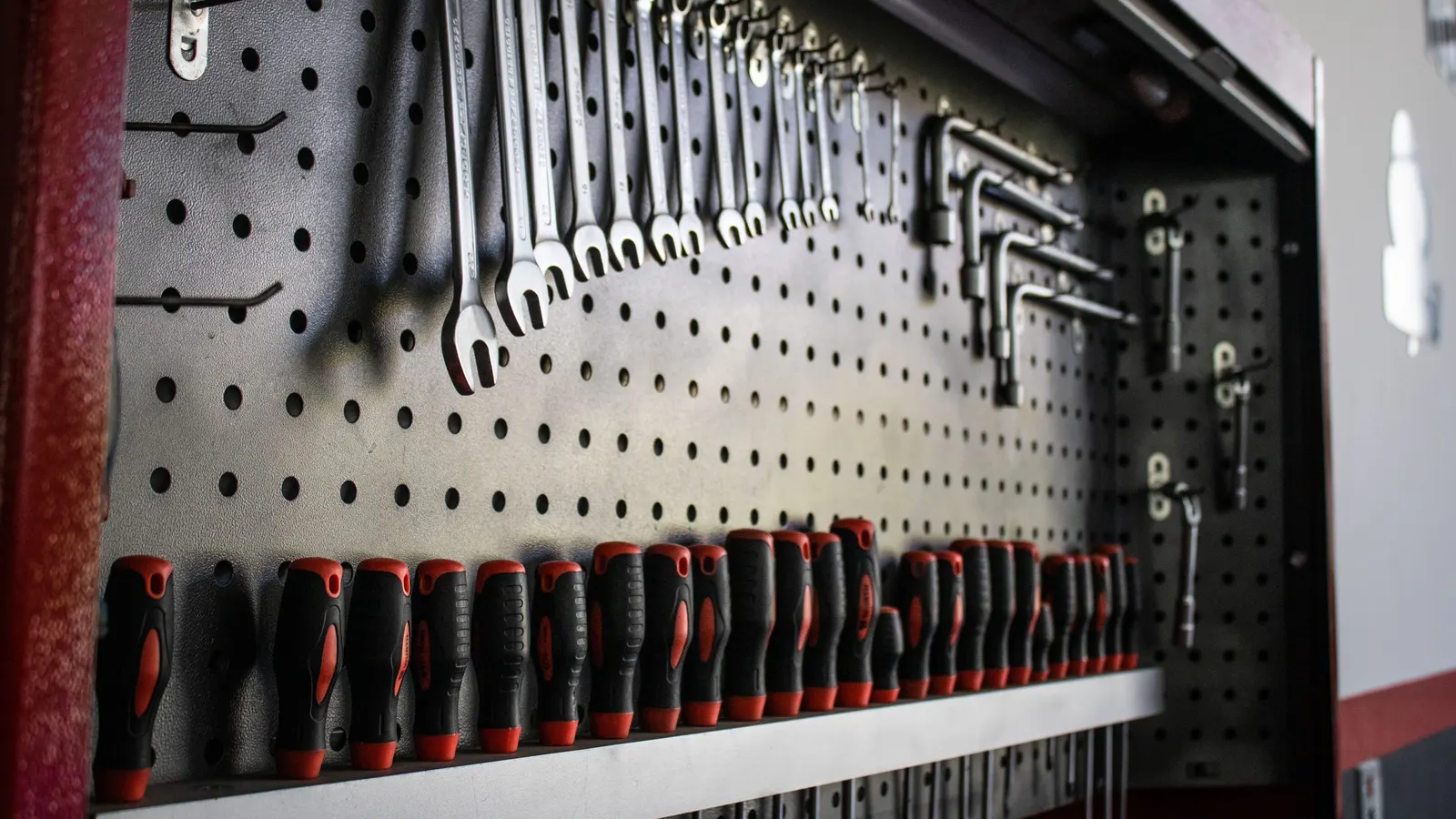
Garage wall storage turns bare walls into one of the most useful parts of the garage. Rakes, shovels, ladders, extension cords, bikes and power tools all hang neatly where you can see and grab them. Because everything is off the floor, there is more room to park, walk and sweep.
Last reviewed and updated: October 2, 2026. Written by Jeremy Jarvis.
Key takeaways
- Garage wall storage keeps long tools, cords, bikes and gear off the floor and easy to see.
- Pegboard is cheap and great for small hand tools; slatwall and rail tracks carry heavier, bulkier items.
- French cleats are a flexible, low-cost DIY system for custom tool holders.
- Every system is only as strong as its fasteners, so mount into studs and respect the maker’s load limits.
This guide compares the main garage wall storage systems, from pegboard and slatwall to rail tracks and French cleats. It also covers mounting into studs, load limits, layout and safe storage of chemicals. For the bigger picture, our garage organization ideas explain how wall storage fits with shelves, cabinets and ceiling racks.
Why walls are the best storage you have
Most garages have far more wall area than floor area that is free for storage. Yet walls are often bare, while boxes and tools pile up on the floor. Using the walls changes that. Long, awkward items that never fit on shelves hang flat against the wall instead.
Wall storage is also visible. Tools on hooks are easy to find, easy to grab and easy to put back. As a result, wall systems tend to stay organized longer than bins and drawers. In addition, they keep items away from water and snowmelt that collect on the floor.
Finally, most wall systems are modular. You can add hooks, baskets and shelves as your needs change, without starting over.

Free download: The Garage Makeover Planner
Our 12-page printable planner: garage profile, measurements and layout grid, declutter tracker, zone plan, floor chooser, door safety checks, budget worksheet and order of work.
Garage wall storage systems compared
Several systems dominate garage wall storage. Each balances cost, strength, flexibility and appearance differently.
| System | How it works | Strengths | Limits |
|---|---|---|---|
| Pegboard | Perforated panel with hooks that fit the holes | Low cost, great for small tools | Hooks can slip out; lighter loads |
| Slatwall | Panels with horizontal grooves for accessories | Finished look, flexible, moisture-resistant options | Higher cost per square foot |
| Rail track system | Metal rails screwed to studs; hooks hang on the rail | Strong, simple, good for heavy items | Less coverage than full panels |
| French cleat | Angled wood strips; holders hook over them | Cheap, custom, very flexible | DIY build; takes some planning |
| Wire grid | Steel mesh panels with clip-on baskets | Light, open, inexpensive | Lower capacity |
Many garages combine two systems. For example, a rail track along one wall for long tools and bikes, plus pegboard above the workbench for hand tools, covers most needs well.
Pegboard: the classic for hand tools
Pegboard is the traditional workshop wall. It is inexpensive, easy to cut and works with a huge range of hooks and holders. Above a workbench, it keeps screwdrivers, pliers, wrenches and tape measures in view and within reach.
However, standard hardboard pegboard has limits. It can absorb moisture and sag in damp garages, and hooks can pull out when you grab a tool. Metal and plastic pegboard panels resist moisture better, and locking hooks or hook clips stop accessories from falling out. In addition, pegboard needs a small gap behind it so hooks can seat properly, which is usually created with furring strips.
Outline each tool with a marker once your layout is settled. That simple trick shows at a glance when something has not been put back.
Slatwall: a finished look with flexibility
Slatwall panels have horizontal grooves that accept hooks, baskets, shelves and bins. They can cover a whole wall, giving the garage a clean, finished appearance. Many panels are made from PVC, which resists moisture and wipes clean easily.
The main appeal is flexibility. Accessories slide into the grooves anywhere along the wall, so you can rearrange storage in minutes. Slatwall also works well with cabinets, since many systems are designed to match. On the other hand, it costs more per square foot than pegboard or rails, and the strength of each accessory depends on the panel and how well it is mounted.
Rail track systems: strong and simple
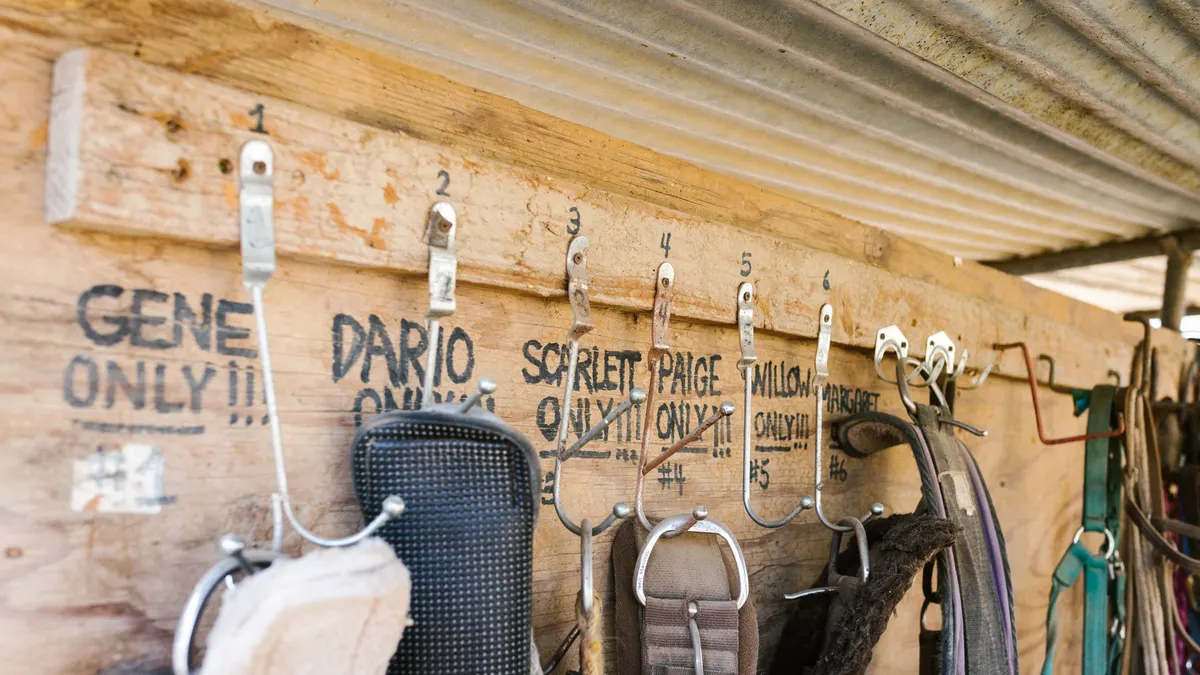
Track systems use metal rails screwed horizontally into the studs. Hooks, baskets and shelves hang on the rail and slide along it. They are strong, quick to install and ideal for long tools, ladders, hoses, cords and bikes.
Because the rails mount directly into framing, they carry heavy loads well when installed correctly. They also cover large walls without paneling the whole surface, which keeps costs down. Meanwhile, you can add more rails as your storage grows. For bikes specifically, see our garage bike rack guide, which compares wall hooks with other bike storage.
French cleats: the flexible DIY favorite
A French cleat system uses strips of wood cut at an angle along one edge. The strips are fastened to the wall with the angle facing up and back. Each tool holder has a matching angled strip on its back, so it hooks over the wall cleat and locks in place under its own weight.
The beauty of cleats is customization. You can build holders for any tool, from drills to clamps, and move them freely along the wall. Materials cost little, especially if you have a saw that can cut a bevel. However, building the holders takes time and planning, so cleats suit people who enjoy shop projects.
Hooks, baskets and accessories
Accessories turn a wall system into useful storage. Common choices include utility hooks for cords and hoses, double hooks for long-handled tools, J-hooks and vertical bike hooks, wire baskets for balls and gloves, and small shelves for spray cans and boxes.
Choose accessories rated for what they will hold, and match them to your system, since slatwall, pegboard and track accessories are not interchangeable. Also think about how you grab each item. For example, a rake hung head-up on two hooks is easier to lift off than one balanced on a single hook.
Mounting into studs
A wall system is only as strong as its fasteners. Garage walls usually have studs behind the drywall or exposed framing in unfinished garages. Use a stud finder to locate them, then mount rails, cleats and panel strips into the center of each stud with the screws the maker specifies.
Avoid relying on drywall anchors for heavy items. Even strong anchors can pull out of drywall under the weight of ladders, bikes or loaded shelves. On masonry walls, use anchors rated for concrete or block. Check that each rail is level before tightening, since a tilted rail lets hooks slide to one end.
Load limits and safety
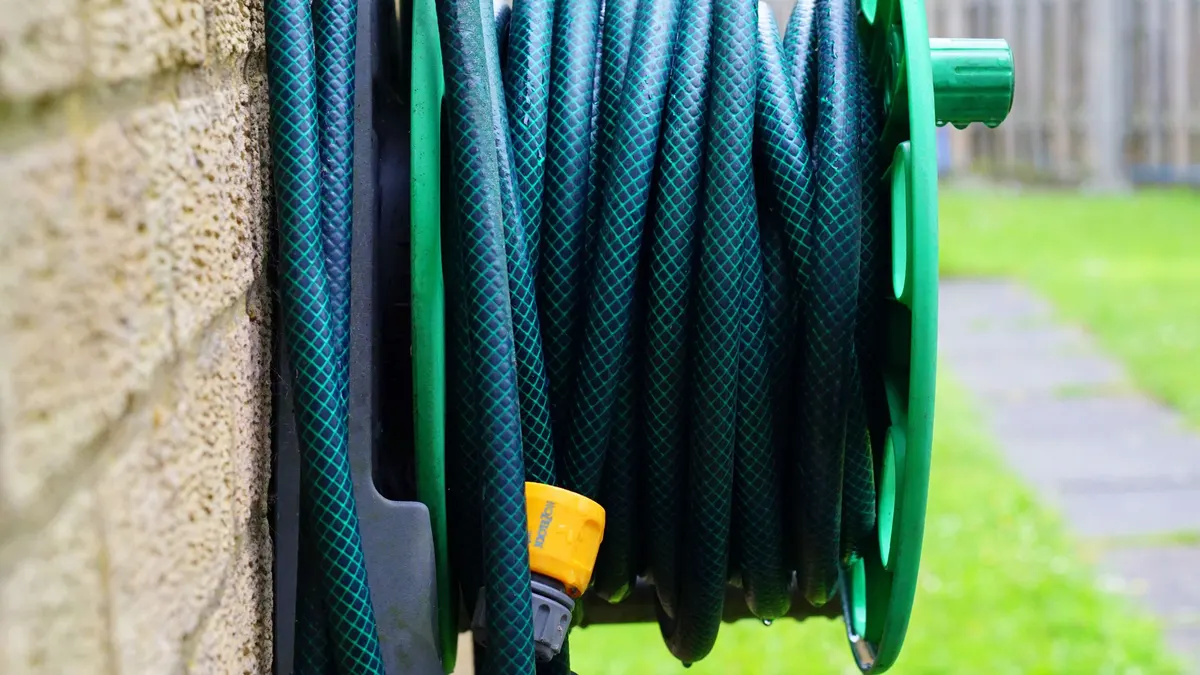
Every hook, rail and panel has its own weight rating, and the weakest link sets the real limit. A heavy-duty hook on a lightly fastened rail can still fail. Therefore, check the ratings for both the accessory and the system, and stay within both.
Keep heavy items low, where they are easier to lift and less likely to cause injury if they fall. Hang sharp tools with the edges facing the wall, and keep them out of reach of children. In addition, do not hang items where car doors, bumpers or the garage door can strike them.
Planning a garage wall storage layout
Start with a sketch of each wall, marking windows, outlets, switches, the electrical panel and any appliances. Codes require clear working space in front of electrical panels, so keep that area free. Then decide which zone each wall will serve.
Group items by activity: garden tools near the yard door, sports gear near the main door and hand tools above the bench. Put frequently used items between waist and shoulder height. Meanwhile, reserve the top of the wall for light, rarely used items. Before mounting anything, lay items on the floor in the planned arrangement to check spacing.
Leave room for growth too. A wall that is full on day one leaves nowhere for new tools and gear.
Finished vs unfinished garage walls
In an unfinished garage, studs are exposed, which makes mounting easy. You can screw rails and cleats directly to the studs, and even add short horizontal blocks between studs for extra mounting points. However, exposed insulation should be covered before hanging tools against it.
In a finished garage, studs are hidden behind drywall, so careful stud finding matters more. Some owners add a plywood backer across a wall, fastened to the studs, which allows hooks and cleats to be mounted anywhere. If you are planning a larger refresh, HomeGuide puts a full garage remodel, including finished walls and custom cabinets and storage, at $3,000 to $17,000.
Wall storage, cabinets and shelving together
Wall systems work best alongside other storage. Cabinets hide small, messy and hazardous items behind doors. HomeGuide lists custom garage cabinets at $1,000 to $6,000 or more installed. Shelving holds bins of bulky gear at a lower cost.
A common layout uses base cabinets with a worktop on one wall, pegboard or slatwall above them, and a rail system on the opposite wall for long tools and bikes. Our garage cabinets guide and garage shelving guide explain those systems in detail.
Storing chemicals near wall systems
Wall shelves are handy for spray cans and small bottles, but be careful with chemicals. EPA notes that paints, varnishes and wax all contain organic solvents, as do many cleaning, degreasing and hobby products. It advises meeting or exceeding label precautions and never mixing household care products unless directed on the label.
Keep heavy containers and hazardous products low, ideally in a closed cabinet, rather than on high wall shelves where a fall could cause a spill. Also keep flammable items away from water heaters and other heat sources.
Choosing a garage wall organizer on a budget
You do not need a full-wall system to see results. A single garage wall organizer rail with a handful of hooks can clear the floor of rakes, brooms and cords in an afternoon. Then add rails, panels or cleats one wall at a time as your budget allows.
Spend first where the payoff is greatest. Usually that means the wall nearest the door you use most, since items there get grabbed every day. Next, upgrade the workbench wall with pegboard or cleats for hand tools. Finally, consider slatwall or matching cabinets once the essentials are in place. Because most systems are modular, a garage wall organizer bought today can grow into a complete system later rather than being replaced.
Common garage wall storage mistakes
The most common mistake is mounting into drywall instead of studs. Another is overloading a hook or rail beyond its rating. Also, hanging items too high makes them hard and unsafe to reach, while hanging them where car doors swing leads to dents and scratches.
Some owners buy a large panel system before planning, then find their tools do not fit the accessories. Others mix systems that do not share accessories, which limits flexibility later. Finally, blocking the electrical panel or outlets with storage causes problems when you need access.
Garage wall storage checklist
- Sketch each wall and mark outlets, windows and the electrical panel.
- Choose pegboard, slatwall, rails, cleats or a mix.
- Locate studs and mount into framing with the specified screws.
- Check the ratings of both hooks and rails.
- Group items by zone and hang heavy items low.
- Keep items clear of car doors and the garage door.
- Store chemicals low and in closed cabinets where possible.
Where to compare garage wall storage
When your layout is ready, compare current garage wall track systems, slatwall panels and metal pegboard kits. Check hook ratings and mounting hardware on each listing. For more ideas, visit the Garage Storage hub.
Frequently asked questions about garage wall storage
What is the best garage wall storage system?
It depends on what you hang. Pegboard suits small hand tools above a bench. Slatwall panels look finished and hold baskets, shelves and hooks across a whole wall. Rail track systems are strong and simple for long tools, bikes and cords. Many garages combine two systems.
Is slatwall better than pegboard?
Slatwall is usually stronger, more moisture-resistant and better looking across large areas, and its accessories hold heavier items. Pegboard costs less and works well for small tools in a workshop zone. Choose by what you plan to hang and your budget.
How much weight can garage wall hooks hold?
Each hook and system has its own rating from the maker, and that rating assumes correct mounting into studs. A strong hook on a weak anchor will still fail, so fasten rails and panels into framing and stay within both the hook and the rail ratings.
How do you hang heavy items on a garage wall?
Locate the studs, mount a rail or cleat into them with the fasteners the maker specifies, then use hooks rated for the load. Keep heavy items low, where they are easier to lift, and never rely on drywall anchors for heavy loads.
Can I store paint and chemicals on wall shelves?
Light, closed containers can sit on wall-mounted shelves, but heavy or hazardous products are safer low down in a cabinet. EPA advises meeting label precautions and never mixing household products unless directed. Keep them away from heat sources.
Sources and how we researched this guide
This guide is research-based. We did not install or load-test wall systems for this article; we compared common designs and used EPA guidance on storing paints and solvents and HomeGuide’s cabinet and garage finishing cost data. Always follow each maker’s mounting and load instructions. Found something out of date? Tell us and we will check it against the source.
- EPA: Volatile organic compounds’ impact on indoor air quality
- HomeGuide: Garage conversion and finishing cost
- HomeGuide: Custom cabinets cost (garage cabinets)
Keep planning
- Overhead Garage Storage: Ceiling Racks, Lifts and Clearance
- Garage Shelving: Types, Load Ratings and Layout Ideas
- Garage Organization Ideas: A Zone-by-Zone Plan That Lasts
- Garage Cabinets: Materials, Layouts, Costs and Buying Tips
Go deeper: Storage & Organization hub · Garage Shelving Load Calculator · Overhead Storage Clearance Calculator

Written by Jeremy Jarvis
Jeremy Jarvis is the founder and editor of Garage Playbook, where he builds research-based guides and free planning tools for garage doors, floors, storage, heating and cooling, and workshops. He sets the site's editorial standards, checks every guide against official sources such as federal safety standards, EPA and OSHA guidance and manufacturer documentation, and is responsible for corrections. Jeremy also founded Eco Nomad Travel, Mind Clarity Hub, SilkHarborTravel, WanderOza Travel, Freedom Road Living and PowerProof Home, and he is the author of books on clarity, focus and practical AI, including The Power of Clarity and Digital Clarity.