
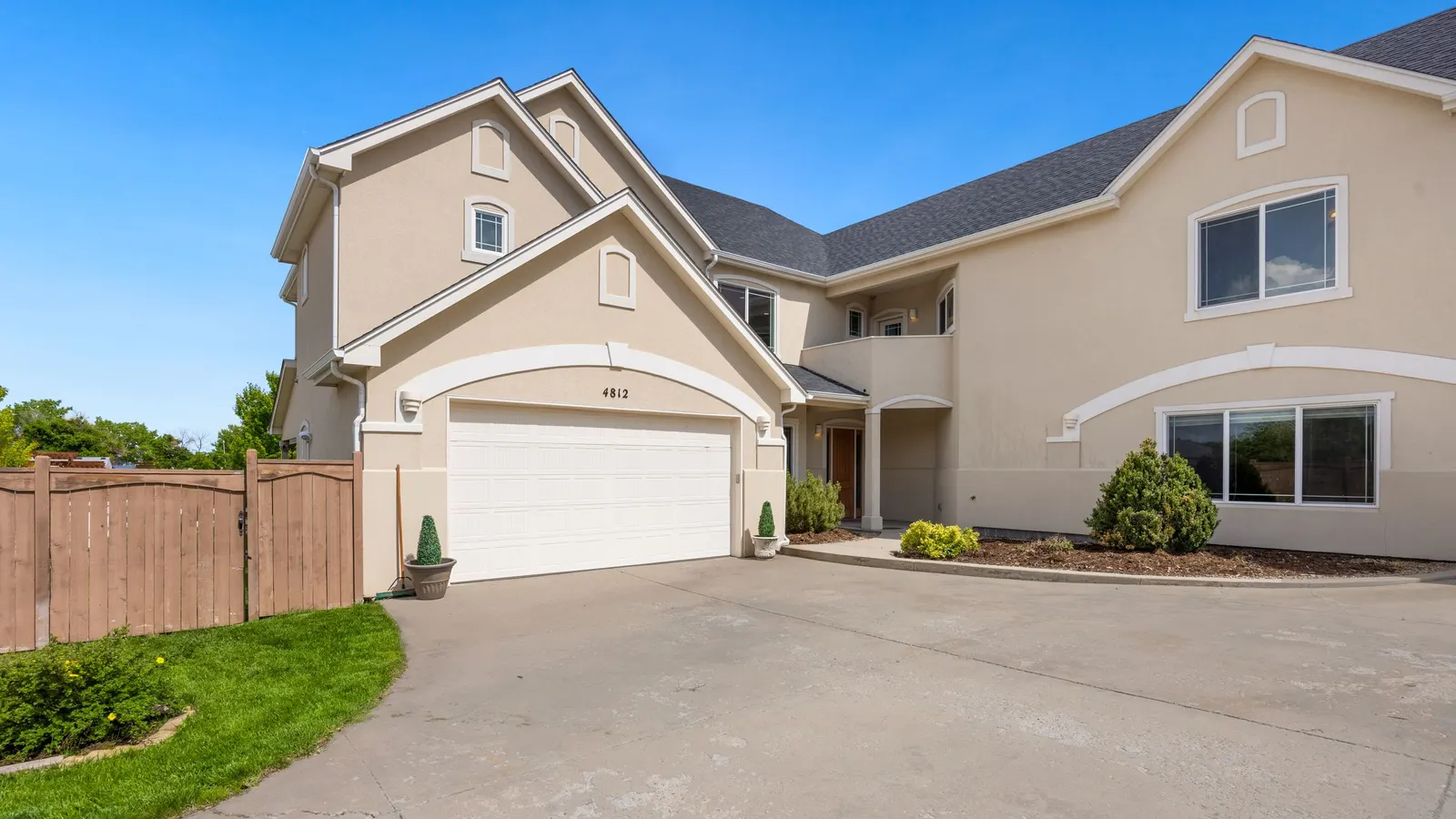
The garage door is usually the largest moving object in a home, and in many homes it is also the main entrance. A good door and opener should be quiet, safe, secure and sealed against drafts. This hub explains how doors and openers work, what the safety rules require, how to choose an opener, and how to think about the cost of door, spring and opener work.
How a garage door actually lifts
The opener does not lift the door’s full weight. Springs do. Torsion springs on a bar above the door, or extension springs along the tracks, are wound to balance the door so it can be lifted by hand. The opener only moves a balanced door. That is why a door that feels heavy to lift by hand is a spring problem, not an opener problem, and why a bigger opener motor is never the fix for a door out of balance.
What the safety rules require
The federal Safety Standard for Automatic Residential Garage Door Operators, 16 CFR Part 1211, applies to all residential garage door operators manufactured on or after January 1, 1993 for sale in the United States. It requires entrapment protection, so a closing door reverses when it meets an obstruction, and it requires a means to manually detach the opener from the door, which is the emergency release cord. Photo-eye sensors near the floor are the most common secondary protection.
California goes further. Beginning July 1, 2019, an automatic garage door opener manufactured for sale, sold, offered for sale or installed in a residence in California must have a battery backup that works during a power outage, and a violation carries a civil penalty of $1,000.
Choosing an opener
Drive types
Chain drives are durable and usually cost less, but they are the loudest. Belt drives use a rubber or reinforced belt and are much quieter, which matters if a bedroom sits above or next to the garage. Wall-mount (jackshaft) openers mount beside the door on the torsion bar, free the ceiling for storage and are very quiet, but they need a torsion-spring door. Screw drives are less common today.
Features worth paying for
Smart openers or add-on hubs let you check whether the door is closed and close it from your phone. Battery backup keeps the door working in outages. DC motors start and stop smoothly. The free Garage Door Opener Selector explains which type usually fits your door and home.
Springs, cables and repairs
Springs wear out after a certain number of cycles and often break with a loud bang. A broken spring leaves the door very heavy and unbalanced. Spring, cable and drum work should be done by a trained technician; it is the most common garage door job that hurts DIYers. Our guide to garage door spring replacement cost explains what is involved and what to ask.
Seals, insulation and maintenance
A worn bottom seal or perimeter weather stripping lets in drafts, water, leaves and pests. Seals are inexpensive and usually DIY-friendly. Insulated doors and insulation kits raise the door’s R-value, which ENERGY STAR describes as a measure of insulation’s ability to resist heat traveling through it. Routine care is simple: lubricate the parts your door maker recommends, keep the tracks clean and test the safety reversal.
Door sizes and wind ratings
Replacement doors are built to the rough opening, so measure carefully. In hurricane and high-wind regions, doors may need to meet wind load requirements; the door industry association DASMA publishes technical data sheets with wind load guides based on the International Residential Code and ASCE standards.
Start with these guides
- Smart Garage Door Opener: Features, Costs and How to Choose What a smart garage door opener does, how it differs from a retrofit smart controller, what it costs and the safety and Wi-Fi checks to make before you buy.
- Belt Drive vs Chain Drive Garage Door Opener: Which to Choose A belt drive garage door opener is quieter, while a chain drive usually costs less.
- Garage Door Opener Installation Cost: Prices by Type and Job What garage door opener installation costs in 2026, split into the unit, labor and add-ons, with the job factors that move a quote and how to compare bids fairly.
- Garage Door Spring Replacement Cost: Torsion vs Extension What garage door spring replacement costs for torsion and extension systems, how long springs last, the warning signs of a failing spring and why this is a job for a trained technician.
- Garage Door Installation Cost: Prices by Size, Material and Job What a new garage door costs installed in 2026, from basic single doors to insulated double doors, with the size, material, wind and opener factors that move a quote.
- Insulated Garage Door: R-Values, Costs and When It Pays Off How an insulated garage door is built, what R-value means, what insulated doors cost, how retrofit kits compare and when the upgrade makes sense for your home.
- Garage Door Weather Stripping: Seal Types and How to Replace The types of garage door weather stripping, how to tell when seals are worn, how to measure and replace a bottom seal and perimeter stops, and when a threshold seal helps.
- Garage Door Lubricant: What to Use, Where and How Often Which garage door lubricant to use, which parts to lubricate and which to leave dry, how often to do it, and a safe step-by-step routine for a quieter, smoother door.
- Standard Garage Door Sizes: Single, Double and How to Measure Standard garage door sizes for single, double and tall doors, how garage size and vehicles affect the choice, and how to measure the opening, headroom and side room correctly.
Tools for this topic
- Garage Door Opener Selector – chain, belt or wall-mount and the features to look for
- Garage Safety and Maintenance Checklist – monthly and seasonal door and garage checks
- Garage Parking Fit Checker – door opening and vehicle clearances
- Garage Makeover Plan Builder – a personal plan in six questions
Latest Garage Doors and Openers guides
New guides are added as they pass our fact-check. Browse everything in Garage Doors and Openers, or get new guides by email.
Sources we rely on
- eCFR: 16 CFR Part 1211, Safety Standard for Automatic Residential Garage Door Operators
- California SB 969: Garage door opener battery backup
- DASMA: Technical data sheets for garage doors
- ENERGY STAR: Recommended home insulation R-values
Frequently asked questions
Most often a photo-eye sensor is blocked, dirty or misaligned. Federal rules require openers to reverse when they detect an obstruction. Clean and align the sensors as your manual describes, and call a technician if it continues. If a bedroom or living space is above or next to the garage, usually yes, because belt drives are much quieter than chain drives. Chain drives are durable and usually cost less. In California, new residential openers have required battery backup since July 1, 2019. Elsewhere it is optional but useful if you lose power often. We recommend a trained technician. Springs and cables hold a lot of stored energy and are the most common cause of serious garage door injuries during DIY repairs.Why does my garage door reverse before it closes?
Is a belt drive opener worth it?
Do I need a battery backup on my garage door opener?
Can I replace a garage door spring myself?