
Garage Door Opener Installation Cost: Prices by Type and Job
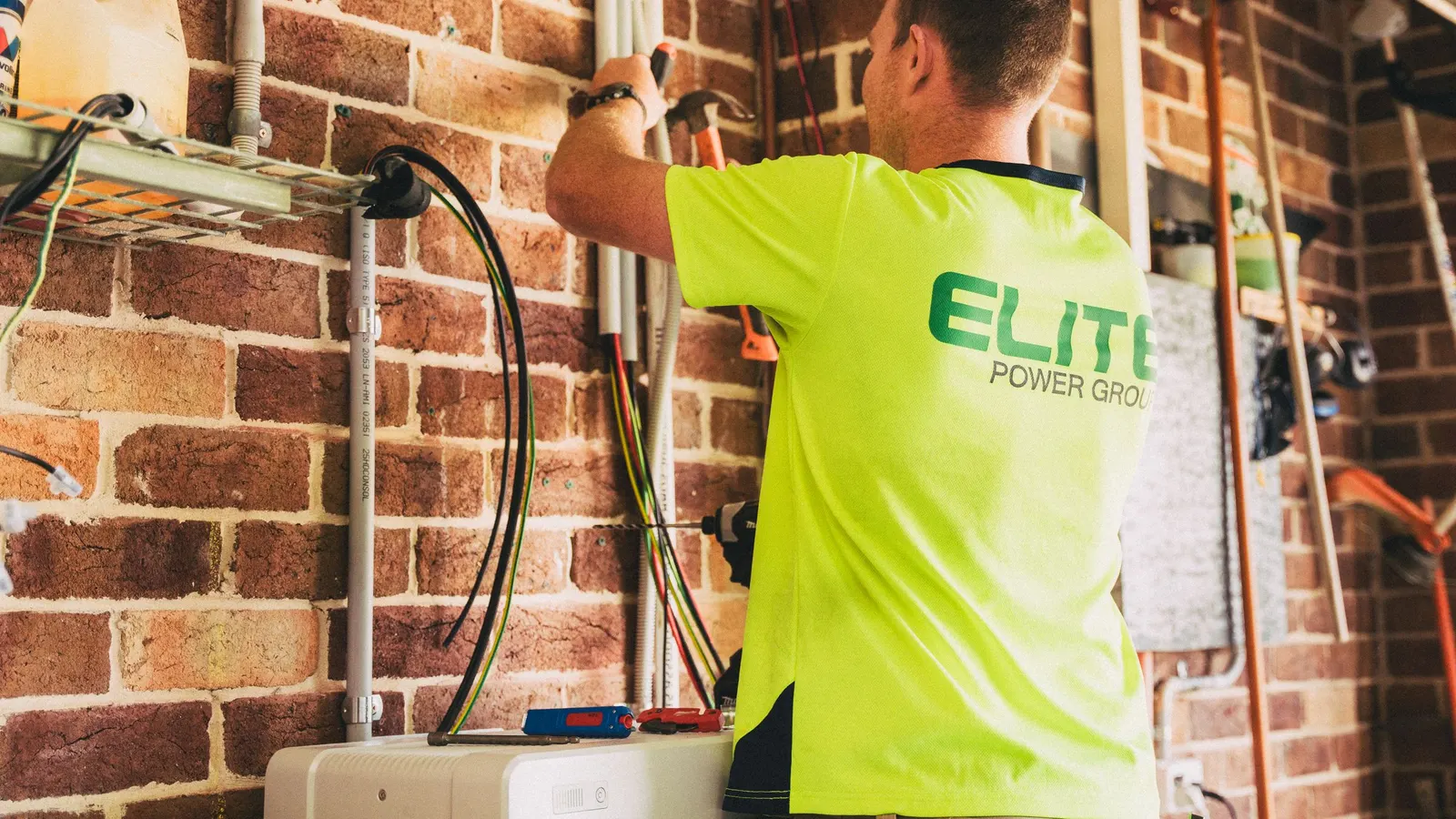
Typical garage door opener installation cost runs from $300 to $900, according to HomeGuide. That total combines the opener unit, which costs $150 to $500, and labor, which ranges from $150 to $400. Where your project lands depends on the drive type, the features you choose and the condition of your door and ceiling.
Last reviewed and updated: October 2, 2026. Written by Jeremy Jarvis.
Key takeaways
- HomeGuide puts total garage door opener installation cost at $300 to $900, with $150 to $500 for the unit and $150 to $400 for labor.
- Drive type sets the base price: chain drive units run $150 to $250 and belt drive units $200 to $450.
- Extra wiring, a new outlet, a tall or heavy door, a second door and smart or battery backup features push quotes higher.
- Fix door balance and spring problems before installing an opener, or the new unit will wear out early.
This guide breaks garage door opener installation cost into its parts, explains the job factors that push quotes up, and shows how to compare bids. If you have not picked an opener type yet, the free Garage Door Opener Selector suggests one based on your door, ceiling and noise needs.
Garage door opener installation cost at a glance
HomeGuide’s cost data splits the job into two main lines. Materials, meaning the opener and its rail, cost $150 to $500. Labor costs $150 to $400. Together, those produce the $300 to $900 total range most homeowners see.
| Cost item | Typical range (HomeGuide) |
|---|---|
| Opener unit (materials) | $150 – $500 |
| Labor | $150 – $400 |
| Total installed cost | $300 – $900 |
| Keypad | $20 – $70 |
| Extra remote | $20 – $40 each |
These are national ranges. In practice, local labor rates, the number of doors and the work needed before installation shift the final number. Therefore, treat the ranges as a planning guide and compare written quotes.
Cost by opener drive type
The drive system sets the starting price of the unit. HomeGuide lists these unit-only ranges:

Free download: The Garage Makeover Planner
Our 12-page printable planner: garage profile, measurements and layout grid, declutter tracker, zone plan, floor chooser, door safety checks, budget worksheet and order of work.
| Drive type | Unit price (HomeGuide) | Main trait |
|---|---|---|
| Chain drive | $150 – $250 | Lowest cost, louder operation |
| Belt drive | $200 – $450 | Quieter, smooth motion |
| Screw drive | $200 – $500 | Few moving parts |
| Direct drive | $300 – $500 | Quiet and reliable, higher price |
Chain and belt drives are the most common choice, HomeGuide notes. A belt drive makes less noise than a chain, which matters when living space sits above the garage. For a full comparison, read our belt drive vs chain drive guide.
What garage door opener installation labor covers
For a straightforward replacement, labor typically covers removing the old opener, mounting the new motor unit and rail, attaching the door arm, installing the wall button and safety sensors, and programming remotes. The installer should also set the travel limits and force settings, then test the reversal system.
However, not every quote includes the same items. Some installers charge separately for haul-away, extra brackets or a rail extension. Others bundle everything into one price. As a result, two quotes that look far apart may cover very different work.
Factors that raise garage door opener installation cost
Several job details can push your garage door opener installation cost toward the top of the range or beyond it. Knowing them helps you read quotes and ask the right questions.
Door weight and motor power
HomeGuide notes that heavy wood garage doors need more horsepower, while light aluminum doors need less. A heavier or oversized door may therefore need a stronger, more expensive motor.
Number of doors
Some garages have two single doors rather than one double door. HomeGuide lists the number of doors as a cost factor, because each door needs its own opener and labor, although some installers discount the second unit.
Electrical work
Openers plug into a ceiling outlet near the motor. If there is no outlet, an electrician must add one, which adds cost. Likewise, an old circuit with no ground or a garage with no power at the ceiling raises the price.
Door height and ceiling layout
Taller doors need a rail extension kit. Low ceilings, high-lift tracks or ceiling storage racks may call for a wall-mount opener instead, which usually costs more than a ceiling unit.
Door condition
An opener is designed to guide a balanced door, not lift dead weight. If the door is unbalanced or a spring is broken, the installer will need to fix that first, and that work is billed separately.
Add-ons that change opener installation cost
Features add cost on top of the drive type. A battery backup, Wi-Fi control, a built-in camera and integrated lighting each push the unit price up. HomeGuide notes that extra features like backup batteries cost more, and that many openers offer a battery backup option.
Accessories add smaller amounts. HomeGuide lists keypads at $20 to $70 and remotes at $20 to $40 each. If three drivers each need a remote and you want a keypad, those extras can add more than $100. In addition, some smart features carry ongoing subscription fees.
For help deciding which smart features are worth it, see our smart garage door opener guide.
Signs it is time to replace your opener
Not every noisy or slow opener needs replacing. Often, the door needs service instead. Still, some signs point to the opener itself. An opener made before the federal entrapment rules took effect in 1993 lacks modern reversal protection and should be replaced. Likewise, a unit that strains, stalls or hums without moving may have worn gears or a failing motor.
Other signs include remotes that work only at close range, a logic board that resets after storms, and no available replacement parts. If the door itself is balanced and the opener still struggles, a new unit is usually the better investment. Then the garage door opener installation cost buys you current safety features as well as reliability.
Replacement vs first-time garage door opener installation
Replacing an existing opener is usually the simpler job. The ceiling outlet, wall button wiring and mounting points are often reusable. Even so, the installer may still replace the safety sensors and brackets to match the new unit.
A first-time installation on a manual door can cost more. The door may need a new outlet, reinforcement at the top section, and a check of springs and balance. Older manual doors sometimes need new hardware before any opener can work safely on them.
Fix the door before the opener
A new opener cannot fix a heavy, unbalanced door. In fact, a door that relies on the motor to lift its weight wears out the gears, belt or chain early. Before you replace an opener, test the door balance or have the installer do it.
To test it, close the door, pull the emergency release and lift the door to about halfway. A balanced door stays roughly in place. If it falls or rises, the springs need service by a trained technician. Our garage door spring replacement cost guide explains what that repair involves and costs.
DIY garage door opener installation vs hiring a pro
Many openers come with detailed instructions, and a careful homeowner with a helper and basic tools can install one. The savings are the labor line, which HomeGuide puts at $150 to $400. For a simple replacement, DIY can be a reasonable choice.
However, some parts of the job are not DIY work. Never adjust torsion springs, since they store enough energy to cause serious injury. Leave new circuits and outlets to a licensed electrician where local rules require it. Also, a pro installation often comes with a labor warranty, which a DIY job does not.
If you do it yourself, follow the manual’s steps for setting force and travel limits exactly. Then test the reversal system before anyone uses the door.
Safety rules that apply to every installation
The federal standard in 16 CFR Part 1211 applies to all residential garage door operators manufactured on or after January 1, 1993 for sale in the United States. It requires entrapment protection, such as an inherent system that reverses the door when it meets an obstruction. Most openers also use photo-eye sensors near the floor as secondary protection.
An installation is not finished until those systems are tested. Place a solid object in the door’s path and confirm the door reverses. Then break the sensor beam while the door closes and confirm it reverses again. Our Garage Safety and Maintenance Checklist lists these monthly tests.
In California, SB 969 adds a battery backup requirement. Beginning July 1, 2019, openers manufactured for sale, sold, offered for sale or installed in a residence there must have a battery backup function, with a civil penalty of $1,000 for violations. Installers in California should quote compliant models only.
How to compare garage door opener installation quotes
Getting at least three written quotes is the best way to judge garage door opener installation cost in your area. Ask each installer to break the price into the same lines so you can compare them directly.
- Opener brand, model, drive type and motor rating.
- Labor, including removal and haul-away of the old unit.
- Any rail extension, brackets or reinforcement.
- Electrical work, such as a new outlet.
- Remotes, keypad and smart features included.
- Parts and labor warranty terms.
Next, ask whether the installer will check door balance and springs. A good installer looks at the whole door, not just the opener.
Ways to lower your opener installation cost
First, buy only the features you will use. A chain drive with a battery backup may serve a detached garage better than a premium belt model. Second, if your current opener works well, consider a retrofit smart controller instead of a full replacement.
Also, bundle work when you can. If the door needs a spring or roller service, ask for one visit that covers both jobs. Finally, schedule outside the busiest seasons, when installers may have more flexibility on price.
How long garage door opener installation takes
A simple replacement is often a half-day job for an experienced installer. The time goes into removing the old unit, assembling the rail, hanging the motor, wiring the sensors and wall button, and setting the limits. A first-time install on a manual door can take longer, because the installer may need to add reinforcement, a ceiling outlet or new brackets.
Two doors, a rail extension or a wall-mount unit also add time. Since labor is a large share of the bill, ask installers how long they expect the job to take. A quote with an unusually short time estimate may skip the testing steps that keep the door safe.
Ongoing costs after the opener is installed
The garage door opener installation cost is not the only expense. Remotes get lost, keypad batteries run down, and safety sensors sometimes need realignment. In addition, a battery backup unit has its own battery that wears out over time and will eventually need replacing.
The door itself also needs care. Springs, cables and rollers wear with every cycle, and a worn door makes the opener work harder. A yearly look at the hardware, plus the monthly reversal test, keeps those ongoing costs small. Meanwhile, if your opener has smart features, check whether any cloud video or integration plan carries a monthly fee before you sign up for it.
Opener installation checklist
- Check door balance and spring condition first.
- Measure door height to see whether a rail extension is needed.
- Confirm there is a grounded outlet near the motor location.
- Choose a drive type and features that match your needs.
- Collect at least three itemized, written quotes.
- Confirm removal, haul-away and warranty terms.
- Test the reversal system and sensors after installation.
Where to compare openers before you buy
If you plan to supply the opener yourself or want to check prices before quotes, compare current garage door openers and garage door keypads. Check that your installer will fit a customer-supplied unit first. For more door and opener guides, visit the Garage Doors and Openers hub.
Frequently asked questions about garage door opener installation cost
How much does it cost to install a garage door opener?
HomeGuide lists total garage door opener installation cost at $300 to $900. The opener unit costs $150 to $500 and labor ranges from $150 to $400, depending on the model, features and the condition of the door and ceiling.
Which opener type is cheapest to install?
Chain drive openers are usually the least expensive, at $150 to $250 for the unit according to HomeGuide. Belt drive units cost $200 to $450, screw drive $200 to $500 and direct drive $300 to $500, before labor.
Does garage door opener installation include removing the old opener?
Many installers include removal and disposal of the old opener, but not all do. Ask each installer to list removal, haul-away, new wiring, rail extensions and remote programming in writing so you can compare quotes fairly.
Can I install a garage door opener myself?
Many homeowners install openers with the maker’s instructions, basic tools and a helper. However, door spring adjustment, new electrical circuits and heavy or unbalanced doors are jobs for a trained technician or licensed electrician.
How much do garage door remotes and keypads cost?
HomeGuide lists garage door remotes at $20 to $40 each and keypads at $20 to $70. Many openers include one remote, so extra remotes for each driver add to the total.
Sources and how we researched this guide
This guide is research-based. We did not collect our own installer quotes; the price ranges come from HomeGuide’s published cost data, and the safety requirements come from the federal standard for residential garage door operators (16 CFR Part 1211) and California’s battery backup law. Local prices vary, so compare written quotes. Found something out of date? Tell us and we will check it against the source.
- HomeGuide: Garage door opener installation cost
- eCFR: 16 CFR Part 1211, Safety Standard for Automatic Residential Garage Door Operators
- California SB 969 (2018): Residential garage door openers, battery backup
Keep planning
- Standard Garage Door Sizes: Single, Double and How to Measure
- Smart Garage Door Opener: Features, Costs and How to Choose
- Insulated Garage Door: R-Values, Costs and When It Pays Off
- Garage Door Weather Stripping: Seal Types and How to Replace
Go deeper: Garage Doors & Openers hub · Garage Door Opener Selector · Garage Safety and Maintenance Checklist

Written by Jeremy Jarvis
Jeremy Jarvis is the founder and editor of Garage Playbook, where he builds research-based guides and free planning tools for garage doors, floors, storage, heating and cooling, and workshops. He sets the site's editorial standards, checks every guide against official sources such as federal safety standards, EPA and OSHA guidance and manufacturer documentation, and is responsible for corrections. Jeremy also founded Eco Nomad Travel, Mind Clarity Hub, SilkHarborTravel, WanderOza Travel, Freedom Road Living and PowerProof Home, and he is the author of books on clarity, focus and practical AI, including The Power of Clarity and Digital Clarity.