
Standard Garage Door Sizes: Single, Double and How to Measure
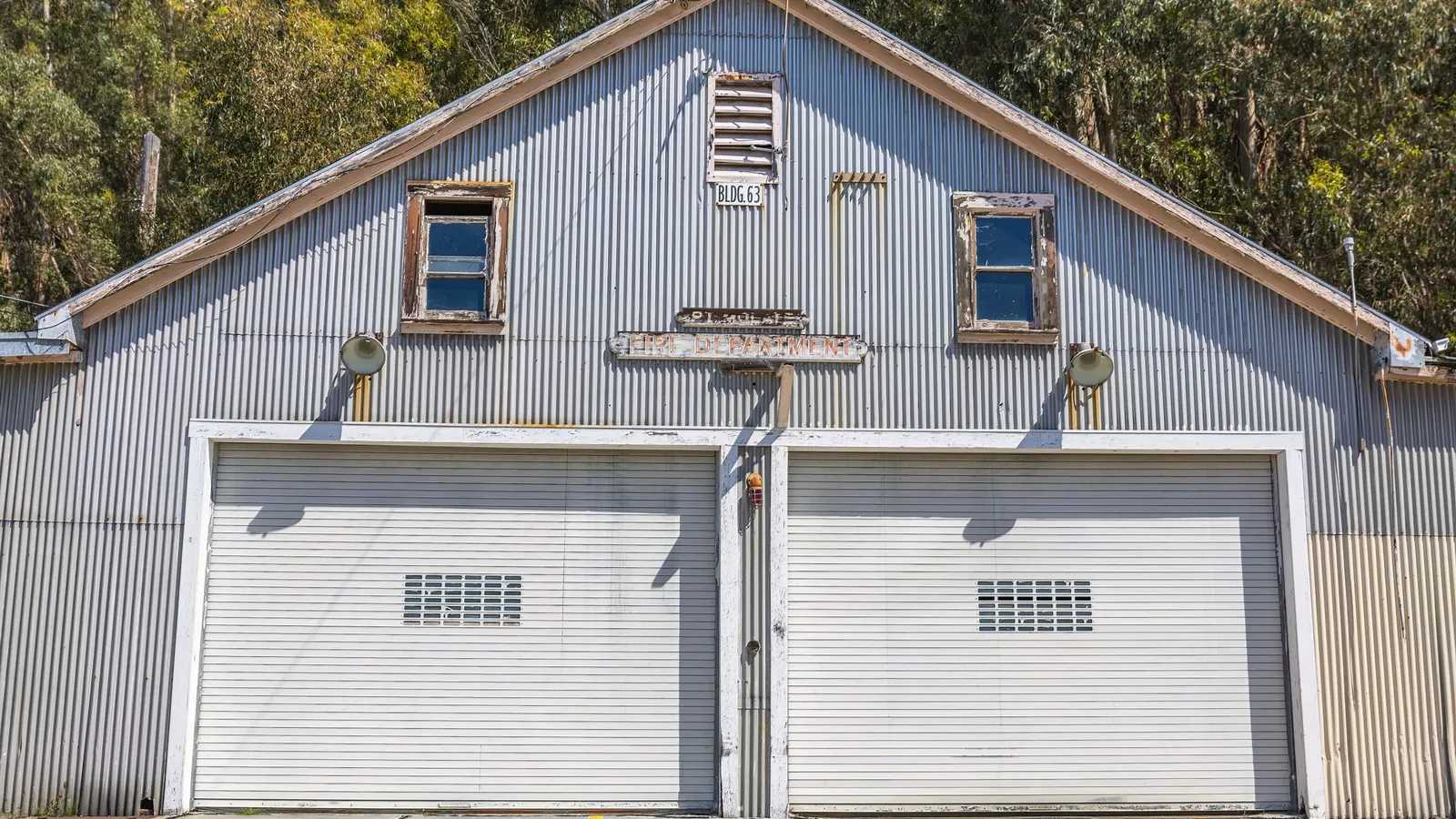
Knowing the standard garage door sizes makes it much easier to replace a door, plan a new garage or check whether a bigger vehicle will fit. Most residential doors come in a handful of common widths and heights. However, the right size for your home also depends on the garage’s depth, the headroom above the opening and the vehicles you drive.
Last reviewed and updated: October 2, 2026. Written by Jeremy Jarvis.
Key takeaways
- A standard single-car garage door is 9 feet wide by 7 feet tall, according to HomeGuide.
- Single doors also come 8 or 10 feet wide and 8 feet tall; a double 16 by 8 foot door is a common two-car size.
- For a full-size pickup or SUV, HomeGuide suggests considering a 10-foot-wide door for extra side clearance.
- Measure the opening width and height plus the headroom, side room and depth before ordering any door.
This guide lists standard garage door sizes for single, double and tall doors, explains how to measure your opening, and shows how size affects price. If you are checking a vehicle against an existing garage, the free Garage Parking Fit Checker shows the space left around each car.
Standard garage door sizes at a glance
HomeGuide says a standard single-car garage door is 9 feet wide by 7 feet tall. It also lists several common variations for single doors:
| Door type | Width | Height |
|---|---|---|
| Narrow single door | 8 feet | 7 feet |
| Standard single door | 9 feet | 7 feet |
| Wide single door | 10 feet | 7 feet |
| Tall single door | 9 feet | 8 feet |
| Oversized single door | 10 feet | 8 feet |
| Double door | 16 feet | 8 feet |
Doors outside these standard garage door sizes exist, and many makers build to custom dimensions. Even so, sticking close to a standard size usually keeps the price lower and the lead time shorter.
Single garage door sizes
The 9 by 7 foot door is the most familiar single garage door. It fits most cars and many small SUVs, and replacement doors in that size are widely stocked. HomeGuide notes that an 8-foot-wide door is the minimum for comfortable entry and exit, which is why 8 feet is usually the narrowest single option.

Free download: The Garage Makeover Planner
Our 12-page printable planner: garage profile, measurements and layout grid, declutter tracker, zone plan, floor chooser, door safety checks, budget worksheet and order of work.
Wider and taller single doors suit bigger vehicles. A 10-foot-wide door gives more room on each side of the mirrors. Likewise, an 8-foot-tall door helps with lifted trucks, roof boxes and vans. In addition, a taller door makes it easier to move bulky items such as kayaks, ladders and furniture.
If your garage has room, the extra foot of width can make daily parking much less stressful. However, widening an existing opening means reframing the wall, which is a bigger project than swapping a door.
Double garage door sizes
For two-car garages, a single wide door is common. HomeGuide lists a double 16 by 8 foot door among its standard price examples, and 16-foot widths in a 7-foot height are also widely sold. A double door gives one large opening that is easy to drive through at an angle.
The alternative is two single doors side by side. Two narrower doors are lighter, so each opener works less hard. Also, if one door or opener fails, you can still use the other. On the other hand, the post between the doors means you must aim each car more carefully.
Which is better comes down to habit and layout. Families who often park two cars side by side may prefer one wide door. Meanwhile, households that use half the garage as a workshop often prefer two singles, since one door can stay closed while the other is used.
Tall, oversized and RV doors
Some garages need more than a standard height. Pickup trucks with racks, vans and vehicles with roof boxes may need an 8-foot-tall door or more. Workshops and boat storage sometimes use 10-foot or taller doors. HomeGuide’s price data, for example, includes a 10 by 10 foot roll-up door.
Taller doors bring other changes too. The ceiling must be high enough for the door to open fully, and the tracks, springs and opener must suit the extra height and weight. Consequently, a tall door is usually planned during construction or a major remodel rather than added later.
How garage size affects door size
Door size and garage size go together. HomeGuide describes a standard one-car garage as 12 feet wide by 20 feet deep, which provides 240 square feet. It notes that most building codes require a minimum interior of 10 feet wide by 20 feet deep for a single-car garage.
In practice, those minimums feel tight. HomeGuide says a 14 by 22 foot garage, or 308 square feet, is the sweet spot for most homeowners. That size gives room to park virtually any passenger vehicle, open doors without hitting the walls, and still have 2 to 3 feet along the sides and back for shelving, tools or a small workbench.
A wide door in a narrow garage does not help much if you cannot open the car doors once inside. Therefore, check the interior width and depth along with the door opening.
Choosing a size for your vehicles
Vehicles have grown larger over the years, while many garages were built for smaller cars. HomeGuide notes that a standard one-car garage fits a compact car but leaves very little room to open doors comfortably or store anything along the walls.
For a full-size pickup or SUV, HomeGuide suggests considering a 10-foot-wide door for extra clearance on each side. Next, check the height, including roof racks, antennas and any lift kit. Then check the length against the garage depth, leaving room to walk around the front or back.
The Garage Parking Fit Checker does this math for you. Enter your garage’s inside dimensions, the door opening and your vehicle sizes, and it shows the space around each vehicle.
How to measure for a garage door
Accurate measurements prevent expensive mistakes. You need a tape measure, a pencil, a level and a helper for the higher measurements. Measure in feet and inches, and write each number down.
- Opening width: measure the finished opening from side jamb to side jamb at its widest point.
- Opening height: measure from the floor to the underside of the header at its highest point.
- Headroom: measure from the top of the opening to the ceiling or the lowest obstruction above it.
- Side room: measure from each side of the opening to the nearest wall or obstruction.
- Backroom: measure from the opening back into the garage along the ceiling.
Check whether the floor is level across the opening too. A sloped or uneven floor affects the bottom seal and may need a threshold or extra trimming.
Headroom, side room and backroom
The door is only part of the system. The tracks need space beside the opening, the springs need space above it, and the door needs room to roll back along the ceiling. That is why suppliers ask for headroom, side room and backroom as well as the opening size.
When headroom is limited, low-headroom track kits or a wall-mount opener may solve the problem. Similarly, if a ceiling storage rack or a beam sits in the door’s path, the layout needs to change. The Overhead Storage Clearance Calculator checks a rack against the open door and your vehicle.
Each maker publishes the exact clearances its doors need. Ask your supplier for those figures and compare them with your measurements before you order.
Garage door sizes and price
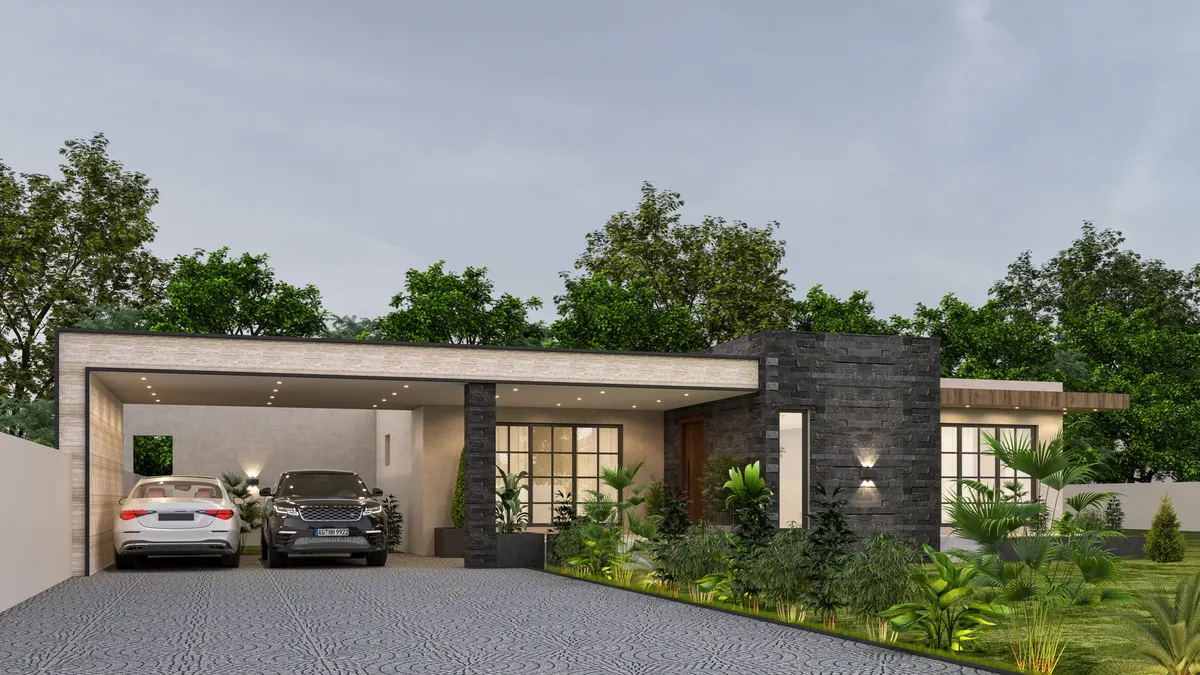
Size has a direct effect on cost, and standard garage door sizes are the most affordable. HomeGuide lists a single 9 by 7 foot overhead door at $300 to $700 and a double 16 by 8 foot door at $600 to $1,200 for the door alone. A 10 by 10 foot roll-up door costs $450 to $2,100.
Installation adds to those numbers. HomeGuide puts a single door at $700 to $2,700 installed and a double door at $1,000 to $3,500 installed. Insulation, windows, material and style all push the price within those ranges. For a full breakdown, read our garage door installation cost guide.
Custom sizes cost more and take longer to arrive than standard garage door sizes. If your opening is close to a standard size, a supplier may suggest small framing adjustments so a stock door fits.
Changing your garage door size
Going wider or taller is possible, but it is a construction project. The header above the opening carries load from the roof or the floor above. Widening the opening usually means installing a longer, stronger header, which needs proper design and often a permit.
Changing size also affects the opener and springs. A wider or taller door is heavier, so the springs must be sized for it, and the opener must be able to handle the weight. In storm-prone areas, the new door may also need a wind load rating. The Door and Access Systems Manufacturers Association publishes technical data sheets on wind load based on the International Residential Code and ASCE 7.
Because of these steps, get advice from a contractor or door specialist before committing. They can tell you whether the wall can be reframed and what the full project will cost.
Choosing between one door and two
When building or remodeling a two-car garage, you may get to choose between one double door and two singles. Each layout has practical trade-offs beyond looks.
One wide door is simpler to drive through and usually costs less than two doors with two openers. However, the whole opening is exposed whenever the door is up, and the large door is heavier. Two single doors cost more but give flexibility, redundancy and a sheltered half of the garage. Ultimately, the right choice depends on how you park and how you use the space.
Why standard garage door sizes save money and time
Makers build and stock standard garage door sizes in volume, so parts are easy to find. Springs, tracks, seals and replacement panels for a 9 by 7 or 16 by 8 foot door are widely available. As a result, repairs are quicker and cheaper years from now, too.
Insulation options, colors and window styles are also broadest in standard garage door sizes. By contrast, a custom size can limit your choice of designs and stretch the wait for delivery. Therefore, if your opening is within an inch or two of a standard size, ask your supplier whether small trim or jamb adjustments would let a stock door fit. That small change can save money now and simplify every future repair.
Common sizing mistakes
The most common mistake is measuring the old door instead of the opening. Doors overlap the opening slightly, so the door itself is not the size you order. Another mistake is forgetting headroom and side room, which can leave no space for tracks or springs.
Buyers also forget about vehicle height with racks, or ceiling obstructions such as lights and storage racks. Finally, some people choose the widest door possible without checking the inside of the garage. A wide door into a shallow or narrow garage still leaves the car hard to use.
Garage door size checklist
- Measure the finished opening width and height.
- Measure headroom, side room and backroom.
- Check the garage’s interior width and depth.
- Measure your largest vehicle’s width, height and length.
- Decide between one double door and two singles.
- Ask about wind load requirements in storm-prone areas.
- Confirm clearances with the door maker before ordering.
Plan your next step
Once you know your size, compare materials and insulation in our insulated garage door guide, and check opener needs in our opener installation cost guide. A good 25-foot tape measure and a laser distance measure make the measuring quicker. For more door guides, visit the Garage Doors and Openers hub.
Frequently asked questions about standard garage door sizes
What is the standard size of a single garage door?
HomeGuide says a standard single-car garage door is 9 feet wide by 7 feet tall. Common variations include a narrow 8 by 7 foot door, a wide 10 by 7 foot door, a tall 9 by 8 foot door and an oversized 10 by 8 foot door.
What size is a double garage door?
A double 16 by 8 foot door is a common two-car size, and HomeGuide lists it at $600 to $1,200 for the door alone. Many two-car garages instead use two single doors, which lets each door be narrower and lighter.
What size garage door do I need for a truck or SUV?
HomeGuide says an 8-foot-wide door is the minimum for comfortable entry and exit, and suggests considering a 10-foot-wide door for a full-size pickup or SUV. Check the vehicle’s height with roof racks too, since a taller door may also help.
How big is a standard one-car garage?
HomeGuide describes a standard one-car garage as 12 feet wide by 20 feet deep, or 240 square feet. It notes most building codes require at least 10 by 20 feet, and that 14 by 22 feet is a more comfortable size.
How do I measure for a new garage door?
Measure the width and height of the finished opening, then the headroom above it, the side room on each side and the depth back into the garage. A door supplier uses all of these to confirm the door, tracks and opener will fit.
Sources and how we researched this guide
This guide is research-based. We did not measure garages for this article; the size and garage dimension figures come from HomeGuide’s garage size article and price data, and the wind load context from DASMA’s technical data sheets. Confirm exact requirements with your door supplier and local building department. Found something out of date? Tell us and we will check it against the source.
- HomeGuide: How big is a one-car garage
- HomeGuide: Garage door prices
- HomeGuide: Garage door replacement cost
- DASMA: Technical data sheets
Keep planning
- Smart Garage Door Opener: Features, Costs and How to Choose
- Insulated Garage Door: R-Values, Costs and When It Pays Off
- Garage Ventilation Fan: Types, Sizing and Placement Guide
- Garage Shelving: Types, Load Ratings and Layout Ideas
Go deeper: Tools directory · Garage Makeover Plan Builder

Written by Jeremy Jarvis
Jeremy Jarvis is the founder and editor of Garage Playbook, where he builds research-based guides and free planning tools for garage doors, floors, storage, heating and cooling, and workshops. He sets the site's editorial standards, checks every guide against official sources such as federal safety standards, EPA and OSHA guidance and manufacturer documentation, and is responsible for corrections. Jeremy also founded Eco Nomad Travel, Mind Clarity Hub, SilkHarborTravel, WanderOza Travel, Freedom Road Living and PowerProof Home, and he is the author of books on clarity, focus and practical AI, including The Power of Clarity and Digital Clarity.