
Garage Door Lubricant: What to Use, Where and How Often
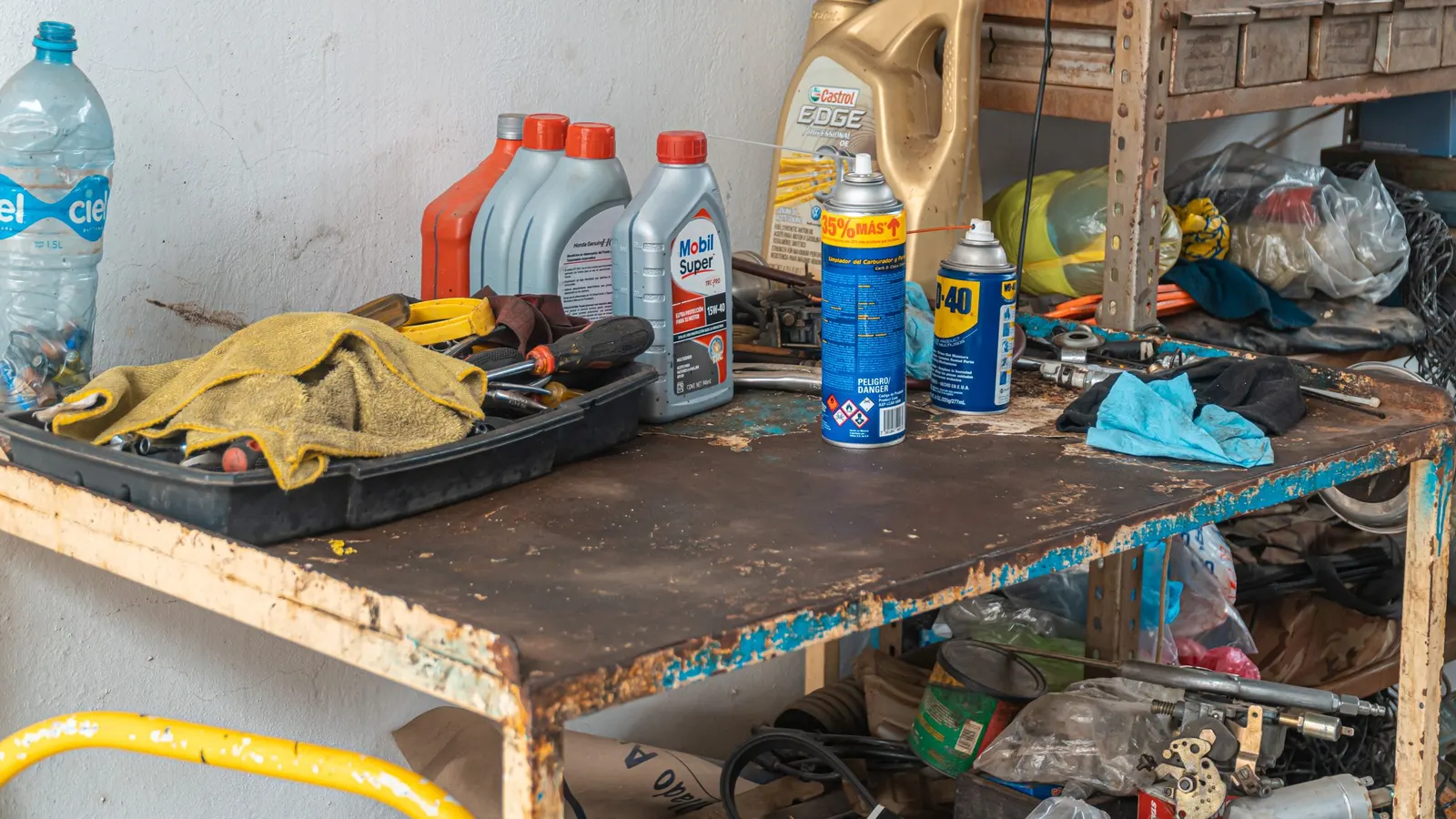
The right garage door lubricant can turn a squealing, shuddering door into a quiet one in about twenty minutes. A garage door has dozens of metal parts that rub and turn every time it moves. Without lubrication, those parts wear faster, make more noise and put extra strain on the opener.
Last reviewed and updated: October 2, 2026. Written by Jeremy Jarvis.
Key takeaways
- A garage door lubricant made for doors, usually silicone or lithium based, keeps hinges, roller bearings and springs moving quietly.
- Clean the tracks but do not grease them, because grease collects grit that makes rollers bind.
- Lubricate moving metal parts a few times a year, and more often in harsh climates or on heavily used doors.
- Never adjust springs or cables while lubricating, since they hold dangerous tension.
This guide explains which garage door lubricant to choose, which parts need it and which parts should stay clean and dry. It also gives a safe step-by-step routine and helps you tell a dry door from a door that needs repair.
Why a garage door needs lubricant
Every open and close cycle moves hinges, rollers, bearings and springs. Metal sliding on metal creates friction, and friction creates heat, wear and noise. Over months, dust and moisture make it worse. As a result, an untreated door becomes louder and stiffer, and its parts wear out sooner.
A thin film of garage door lubricant reduces that friction. It also helps protect bare steel from rust, which matters in humid and coastal areas. Meanwhile, a smoother door is easier on the opener, because the motor is not fighting stiff hinges and dry bearings on every cycle.
Lubrication is routine care, not a repair. It will not fix a broken spring, a bent track or a worn roller. However, it can extend the life of healthy parts and help you notice problems early.
Free download: The Garage Makeover Planner
Our 12-page printable planner: garage profile, measurements and layout grid, declutter tracker, zone plan, floor chooser, door safety checks, budget worksheet and order of work.
Types of garage door lubricant
Most garage door lubricant products fall into a few families. Each has strengths, so the best choice depends on your door and climate.
| Lubricant type | Strengths | Watch-outs |
|---|---|---|
| Silicone spray | Clean, dry film; works in cold weather; safe on many plastics | Thinner film may need more frequent application |
| White lithium grease spray | Clings to metal-to-metal parts; long lasting | Can attract dirt if over-applied |
| Garage door specific spray | Formulated for hinges, rollers and springs | Check the label for the parts it suits |
| Penetrating or water-displacing spray | Loosens rust and displaces moisture | Many are not long-lasting lubricants |
| Heavy grease | Thick and durable | Collects grit; avoid on tracks and exposed parts |
For most homes, a silicone or white lithium spray labeled for garage doors is the simplest choice. Spray cans with a straw nozzle make it easy to put the lubricant exactly where it is needed.
Silicone vs lithium garage door lube
Silicone spray leaves a thin, slick film that does not feel greasy. Because it stays clean, it attracts less dust, and it keeps working in freezing weather. It is also gentle on the nylon and plastic found in some rollers and seals. On the other hand, the film is thin, so it may wear off faster on heavily used doors.
White lithium grease is thicker and clings to metal well. That makes it a good fit for hinges, bearing plates and steel roller bearings, where metal rubs on metal. However, too much of it can trap dust. Therefore, apply it sparingly and wipe off any drips.
Either type of garage door lube works when applied correctly. Many owners keep one can of each, using lithium on heavy-wear metal parts and silicone on lighter parts.
Parts that need garage door lubricant
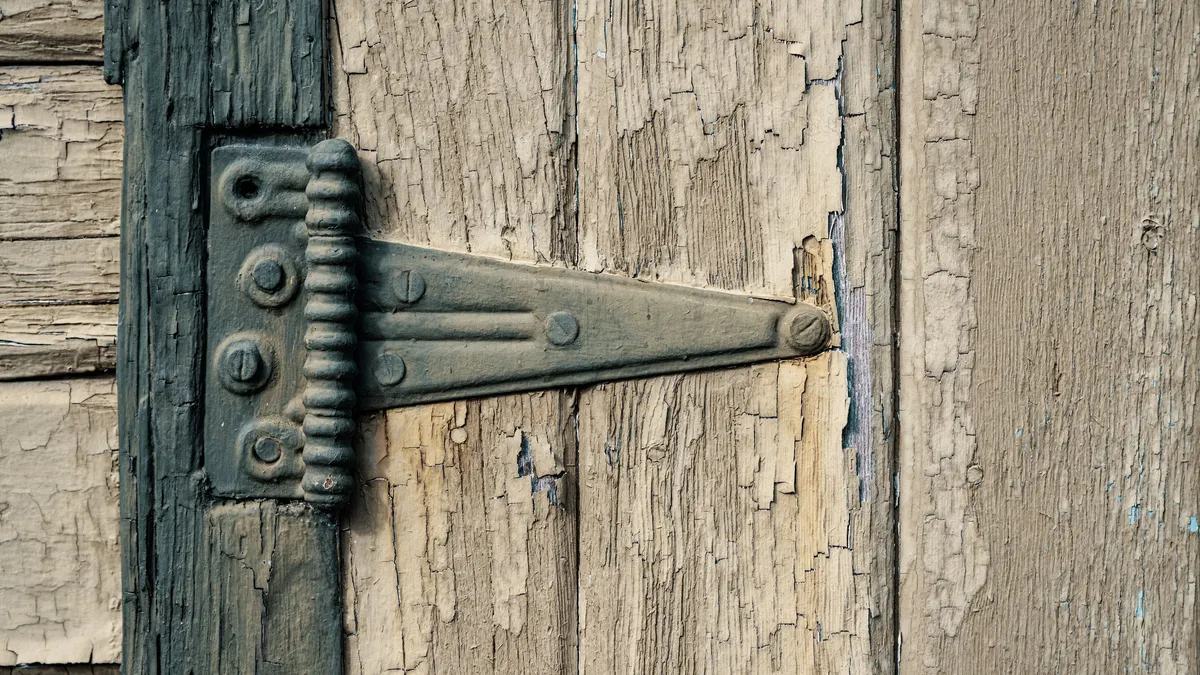
Focus on parts that pivot, turn or slide against other metal. These are the places where a garage door lubricant does real good:
- Hinges: the pivot points between door sections. Spray each hinge where the parts turn.
- Roller bearings: on steel rollers, spray the bearing at the center of each wheel, not the outer rim.
- Torsion springs: a light coat helps reduce friction between coils and slows rust.
- Bearing plates: the bearings at each end of the torsion bar and in the center bracket.
- Lock and arm bar: the manual lock mechanism and the opener arm pivots.
Use short, controlled bursts. A little lubricant goes a long way, and excess only drips and collects dirt.
Parts to leave clean and dry
Just as important is knowing where not to spray. The tracks are the most common mistake. Rollers are meant to roll in the tracks, not slide. If you grease the tracks, dirt sticks to them, and the rollers start to skid and bind. Instead, wipe the tracks clean with a damp cloth and dry them.
Also skip nylon rollers that have no exposed bearing, since many are sealed and need no lubricant. Keep spray off rubber weather seals, because some products can soften or swell them. Finally, check your opener manual before lubricating its drive. Belt drives usually need no lubricant, and some makers specify the product for chain or screw drives. Our belt drive vs chain drive guide explains how those drives differ.
How to lubricate a garage door step by step
The whole job takes about twenty minutes. Before you start, gather a garage door lubricant spray, clean rags, a stepladder and safety glasses.
- Close the door and unplug the opener so the door cannot move while your hands are near it.
- Wipe the tracks clean with a damp rag, then dry them. Remove any old, sticky grease.
- Spray each hinge at its pivot point, working from the bottom section to the top.
- Spray the bearing in the center of each steel roller, avoiding the outer wheel.
- Lightly coat the torsion springs from a safe distance without touching them.
- Spray the bearing plates at the ends of the torsion bar and the center bracket.
- Lubricate the lock and the opener arm pivots.
- Plug the opener back in and run the door up and down a few times to spread the lubricant.
- Wipe away drips from the door, floor and seals.
After that, listen as the door moves. Squeaks should fade after a few cycles. If a noise remains, find its source using the tips below.
Lubricating the opener drive
The opener is a separate machine with its own needs. Chain drives often benefit from a light coat on the chain, while screw drives may need a specific grease on the threaded rod. Belt drives generally need no lubricant on the belt at all.
Because makers differ, follow the opener manual. Some specify a product, while others warn against lubricating certain parts. Meanwhile, check that the trolley slides freely along the rail and that the rail is clean.
How often to lubricate
A practical rhythm is a few times a year, often at the change of seasons. Doors that cycle many times a day wear faster. In other words, a garage used as the main entrance needs more care than one opened on weekends.
Climate matters as well. Salt air near the coast, road salt in winter and high humidity all speed corrosion. In those conditions, check the door more often. Your ears are a good guide too: when hinges start to squeak, it is time to lubricate. Our Garage Safety and Maintenance Checklist schedules lubrication with the other seasonal checks.
Diagnosing a noisy door
Not every noise is a lubrication problem. A squeak or squeal usually comes from a dry hinge, roller or spring, and lubricant normally solves it. By contrast, other sounds point to wear or damage that needs repair.
Grinding often means worn roller bearings or a roller rubbing the track. Rattling suggests loose hardware, so tighten hinge and track bolts with care, but never touch the bottom brackets that hold the cables. A bang from the garage, especially when the door is closed, can mean a torsion spring has broken. Likewise, a door that suddenly feels heavy or lifts unevenly may have a spring or cable problem.
HomeGuide notes that spring replacement is the most common garage door repair, and that signs your springs need attention include uneven door movement and a door that will not open fully or stay open. If you notice those signs, stop using the opener and call a technician. Our spring replacement cost guide explains what to expect.
Lubrication and spring life
Springs are rated by cycles. HomeGuide says most springs last for 10,000 to 20,000 cycles, which is about 7 to 14 years for most homes. A light coat of lubricant helps reduce friction between the coils and slows surface rust.
That said, lubricant does not reset a spring’s cycle count. A spring near the end of its life will still break, lubricated or not. Therefore, treat lubrication as a way to keep healthy springs quiet and protected, not as a fix for old ones.
Safety while lubricating
Lubricating is safe when you respect the parts under tension. Springs, cables and bottom brackets hold enough energy to cause serious injury. Spray them only from a safe distance, and never loosen, adjust or pry on them.
Always unplug the opener first, so nobody can press a remote while your hands are near the door. Wear safety glasses when spraying overhead. Finally, after you finish, test the opener’s safety reversal. The federal standard in 16 CFR Part 1211 applies to all residential garage door operators manufactured on or after January 1, 1993 for sale in the United States, and it requires entrapment protection that reverses a closing door when it meets an obstruction.
Garage door lube in cold and hot climates
Temperature changes how lubricants behave. In freezing weather, thick grease can stiffen, and a door that moved easily in autumn may feel sluggish in January. Silicone garage door lube stays slick at low temperatures, so it is a popular choice where winters are harsh. In addition, keep the bottom seal and threshold free of ice so the door does not freeze to the floor.
Heat brings the opposite problem. In hot garages, thin lubricants can run and drip, especially on springs and hinges in direct sun. Therefore, apply light coats and wipe away any excess. Coastal homes face a third challenge: salt air speeds corrosion on bare steel. There, more frequent cleaning and lubrication help protect springs, hinges and roller bearings.
Whatever your climate, watch how the door behaves as seasons change. A door that suddenly feels heavier, slower or noisier is telling you something, and a quick inspection is better than waiting for a part to fail.
Common lubrication mistakes
The most common mistake is greasing the tracks, which traps grit and makes the rollers bind. Another is using too much lubricant, which drips onto the floor and seals and attracts dirt. Also, using a penetrating spray as the only lubricant can leave parts dry again within weeks.
Some owners spray the belt on a belt drive opener, which can cause slipping. Others lubricate a door with a broken spring and keep running the opener, which damages the motor. Finally, skipping the reversal test after maintenance leaves a safety fault undiscovered.
Garage door lubricant checklist
- Choose a silicone or lithium spray labeled for garage doors.
- Unplug the opener before you start.
- Clean and dry the tracks; do not grease them.
- Lubricate hinges, roller bearings, springs and bearing plates.
- Follow the opener manual for the drive.
- Wipe off drips and keep spray off seals.
- Run the door, listen and test the safety reversal.
Where to compare garage door lubricants
When you are ready to stock up, compare current garage door lubricant sprays, silicone sprays and white lithium grease sprays. Check each label for the parts it suits. For more door care guides, see our weather stripping guide and the Garage Doors and Openers hub.
Frequently asked questions about garage door lubricant
What is the best lubricant for a garage door?
A spray garage door lubricant based on silicone or white lithium grease suits most doors. Silicone stays clean and works well in cold weather, while lithium grease clings longer on metal-to-metal parts. Products labeled for garage doors are a safe choice.
Should you lubricate garage door tracks?
Generally no. Tracks should be cleaned and wiped dry, not greased, because lubricant on the tracks collects dirt and grit that make the rollers skid and bind. Lubricate the roller bearings instead.
How often should you lubricate a garage door?
Most owners lubricate the moving parts a few times a year, often at the change of seasons. Doors that cycle many times a day, sit near the coast or face harsh winters may need it more often. Listen for squeaks as your cue.
Can I use a penetrating spray on my garage door?
General-purpose penetrating sprays are good at loosening rust and displacing water, but many are not designed as long-lasting lubricants. Clean with them if needed, then apply a garage door lubricant to the moving parts.
Will lubricant fix a noisy garage door?
It often helps with squeaks from dry hinges, rollers and springs. However, grinding, banging or a door that feels heavy can point to worn rollers, a loose part or a spring problem. HomeGuide notes spring replacement is the most common garage door repair.
Sources and how we researched this guide
This guide is research-based. We did not test lubricants for this article; we compared common product types and maintenance practice, and we used HomeGuide’s garage door repair and spring cost data. Always follow your door and opener makers’ instructions, and leave springs and cables to a trained technician. Found something out of date? Tell us and we will check it against the source.
- HomeGuide: Garage door repair cost
- HomeGuide: Garage door spring replacement cost
- eCFR: 16 CFR Part 1211, Safety Standard for Automatic Residential Garage Door Operators
Keep planning
- Standard Garage Door Sizes: Single, Double and How to Measure
- Smart Garage Door Opener: Features, Costs and How to Choose
- Insulated Garage Door: R-Values, Costs and When It Pays Off
- Garage Door Weather Stripping: Seal Types and How to Replace
Go deeper: Garage Doors & Openers hub · Garage Door Opener Selector · Garage Safety and Maintenance Checklist

Written by Jeremy Jarvis
Jeremy Jarvis is the founder and editor of Garage Playbook, where he builds research-based guides and free planning tools for garage doors, floors, storage, heating and cooling, and workshops. He sets the site's editorial standards, checks every guide against official sources such as federal safety standards, EPA and OSHA guidance and manufacturer documentation, and is responsible for corrections. Jeremy also founded Eco Nomad Travel, Mind Clarity Hub, SilkHarborTravel, WanderOza Travel, Freedom Road Living and PowerProof Home, and he is the author of books on clarity, focus and practical AI, including The Power of Clarity and Digital Clarity.