
Garage Ventilation Fan: Types, Sizing and Placement Guide
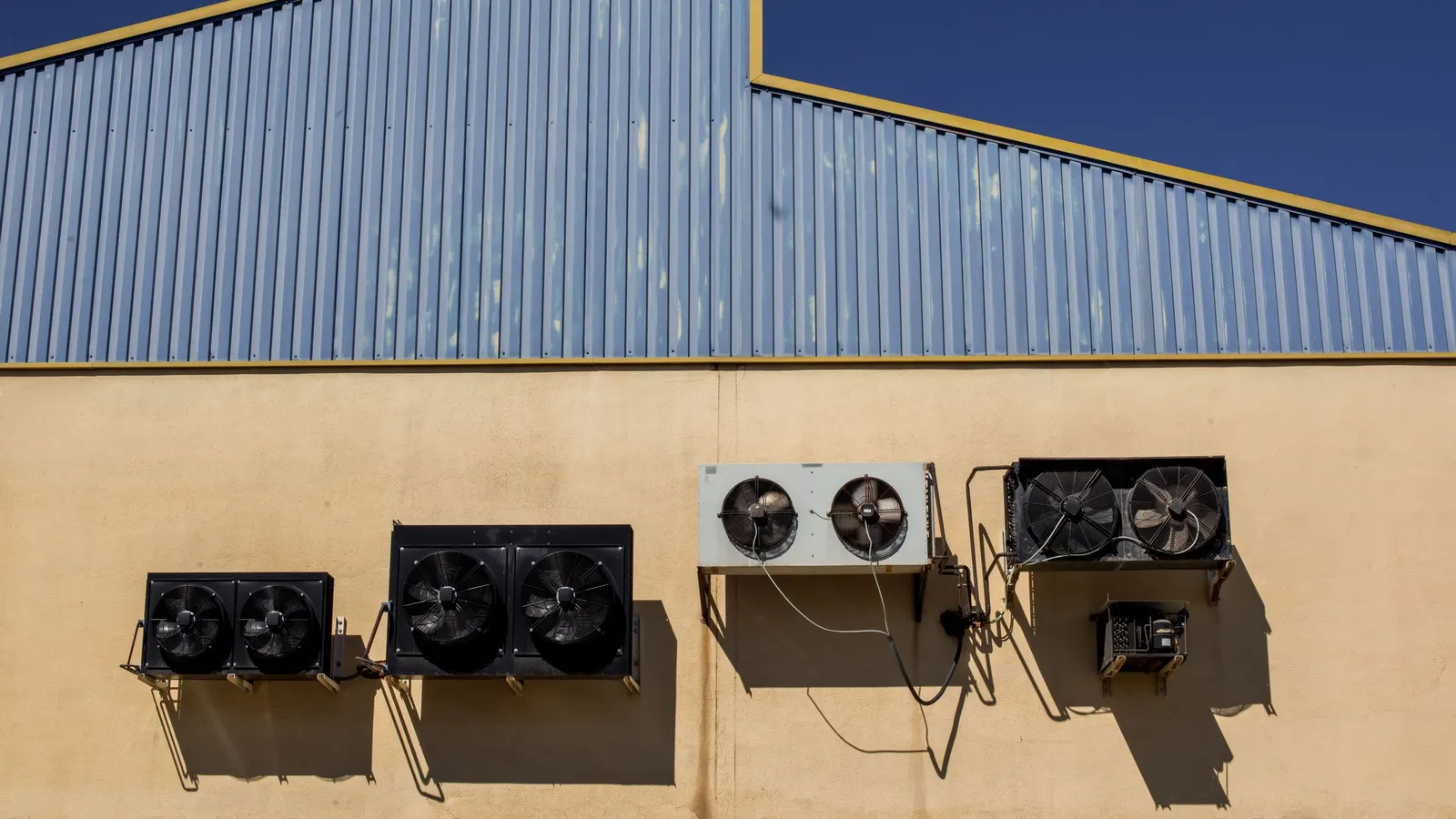
A garage ventilation fan pushes stale, hot or fume-laden air out of the garage and pulls fresh air in. It is one of the simplest ways to make a garage more comfortable in summer, drier after wet days and safer during painting, gluing and finishing projects. It also helps clear the lingering smells of fuel, solvents and car exhaust residue.
Last reviewed and updated: October 2, 2026. Written by Jeremy Jarvis.
Key takeaways
- A garage ventilation fan removes heat, humidity and fumes by exhausting garage air outdoors.
- EPA notes that inadequate ventilation can increase indoor pollutant levels and that fans exhausting outdoors remove contaminants directly.
- Every exhaust fan needs a source of makeup air, such as a vent or open window on the opposite side.
- A fan never makes it safe to run a car, generator or other engine inside a garage.
This guide explains how garage ventilation works, compares fan types, shows how to size airflow and where to place fans, and covers controls, humidity and carbon monoxide. To calculate the airflow your garage needs, use the free Garage Ventilation Calculator.
Why garages need ventilation
Garages collect pollutants. Gasoline, paint, solvents, glues, cleaners and lawn chemicals all release vapors. Car exhaust residue and dust add more. Meanwhile, the large door and roof soak up heat, so summer garages can become ovens.
EPA explains that inadequate ventilation can increase indoor pollutant levels by not bringing in enough outdoor air to dilute emissions from indoor sources and by not carrying indoor air pollutants out of the area. It also notes that high temperature and humidity levels can increase concentrations of some pollutants. Garages often have all three problems at once, which makes ventilation especially useful.
Attached garages add another concern. Air and fumes from the garage can leak into the house through the connecting door and gaps in the shared wall. Good ventilation, combined with a well-sealed connecting door, helps keep garage air in the garage.

Free download: The Garage Makeover Planner
Our 12-page printable planner: garage profile, measurements and layout grid, declutter tracker, zone plan, floor chooser, door safety checks, budget worksheet and order of work.
Three strategies for better air
EPA describes three basic strategies to improve indoor air quality: source control, improved ventilation and air cleaners or filtration. It calls source control usually the most effective way, meaning eliminating sources of pollution or reducing their emissions.
In a garage, source control means storing chemicals tightly closed, disposing of old products and never running engines inside. Ventilation then deals with what remains. EPA also notes that source control is often more cost-efficient than increasing ventilation, because ventilation can increase energy costs. So start by reducing what goes into the air, then use a garage ventilation fan to clear the rest.
How air moves through a garage
EPA describes three ways outdoor air enters and leaves a building: infiltration, natural ventilation and mechanical ventilation. Infiltration is air flowing through openings, joints and cracks in walls, floors and ceilings, and around windows and doors. Natural ventilation is air moving through opened windows and doors. Mechanical ventilation uses devices such as outdoor-vented fans.
Garages get plenty of infiltration around the big door, but it is uncontrolled and often too little when you need it. Opening the door helps on mild days. However, a mechanical garage ventilation fan gives you reliable airflow whenever you need it, even with the door closed.
Types of garage ventilation fan
Several fan styles suit garages. Each has a different job.
| Fan type | How it works | Best for |
|---|---|---|
| Wall-mounted exhaust fan | Mounted through an exterior wall, pushes air out | Everyday ventilation and fume removal |
| Ceiling or roof exhaust fan | Removes hot air from the top of the garage | Heat buildup under the roof |
| Window fan | Sits in a window, reversible on many models | Renters and occasional use |
| Gable or attic fan | Vents the space above the garage ceiling | Hot attics over garages |
| Circulation fan | Moves air inside without exhausting it | Comfort while working |
For most garages, a wall-mounted exhaust fan paired with an intake vent is the core of the system. Circulation fans add comfort but do not remove fumes, since they only stir the same air.
Sizing airflow
Fans are rated in cubic feet per minute, or CFM. The right size depends on the garage’s volume and how quickly you want to replace the air, which ventilation designers express as air changes per hour. A gentle rate suits everyday freshness, while a higher rate suits painting or other fume-heavy work.
The calculation is simple. Multiply the garage’s length, width and ceiling height to get its volume in cubic feet. Then multiply by the air changes per hour you want and divide by 60 to get CFM. The Garage Ventilation Calculator does this for you and shows how many fans of a given rating you need.
Check the fan’s rating at realistic static pressure, not only its free-air number. Grilles, shutters and long ducts all reduce real airflow.
Makeup air: the forgotten half
Every cubic foot of air a fan pushes out must be replaced. Without a planned inlet, the fan pulls air through whatever gaps it can find, including the door into the house. That can draw garage fumes indoors or even pull exhaust from gas appliances back down their flues.
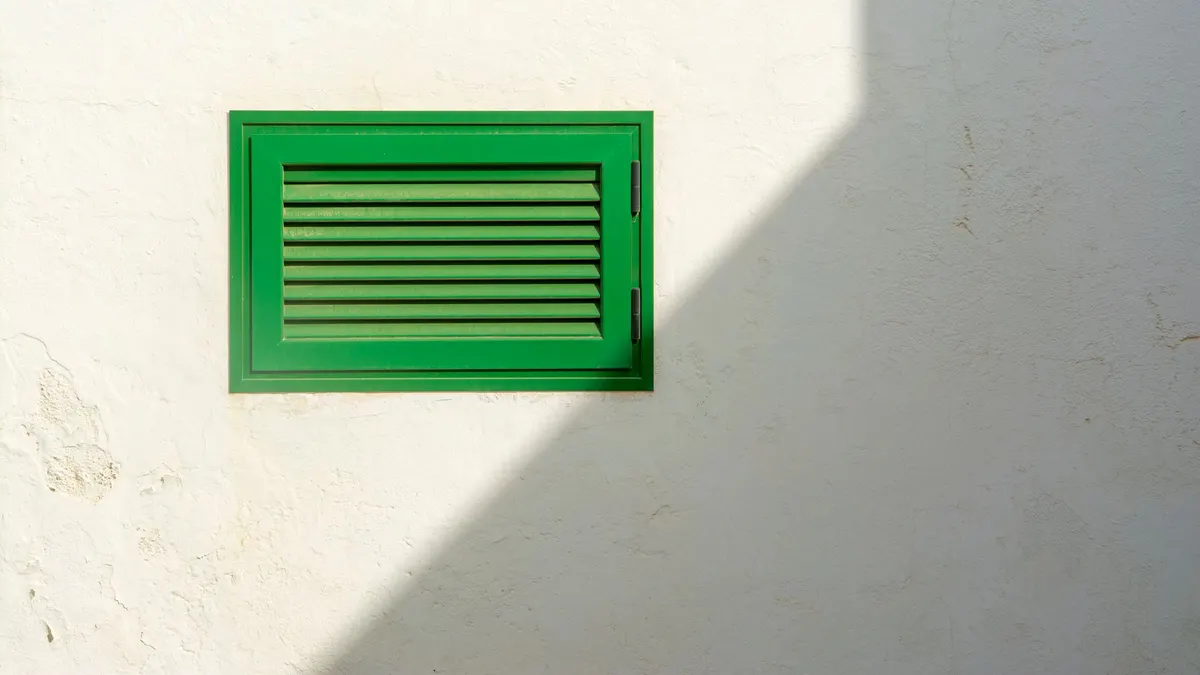
So plan an intake. A louvered wall vent, an open window or a slightly opened garage door on the opposite side lets fresh air in. Size the intake so the fan does not struggle. Meanwhile, if the garage contains a gas water heater or furnace, ask a professional how a new exhaust fan affects its venting before installing one.
Where to place fans and vents
Good placement creates a sweep of fresh air across the whole garage. Put the exhaust fan high on one wall, where hot air collects, and the intake low on the opposite wall. Air then enters low, crosses the garage and leaves high, carrying heat and fumes with it.
Keep the exhaust away from house windows, doors and fresh air intakes, so you do not blow fumes back toward the home. Similarly, avoid blowing into a neighbor’s window. For projects that produce heavy vapors near the floor, a temporary fan at floor level near an open door can help pull them out.
Controls that make ventilation easier
A fan only helps when it runs. Controls make sure it runs at the right times. For example, a simple timer switch is useful for projects. Likewise, a humidistat turns the fan on when humidity rises, which helps after wet cars come in. Finally, a thermostat control runs the fan when the garage gets hot.
Smart controls can combine these, and some fans include built-in sensors. Whatever you choose, make the controls easy to reach, so you actually use the fan during painting and cleaning.

Ventilation for painting and coating projects
Projects are where ventilation matters most. EPA notes that paints, varnishes and wax all contain organic solvents, and that studies have found levels of several organics average 2 to 5 times higher indoors than outdoors. During and for several hours after certain activities, such as paint stripping, levels may be 1,000 times background outdoor levels.
EPA advises increasing ventilation when using products that emit volatile organic compounds and meeting or exceeding label precautions. In practice, open the garage door when weather allows, run exhaust fans throughout the project and for some time afterward, and wear the respirator the label recommends. Our step-by-step epoxy guide includes ventilation as part of the process.
Carbon monoxide: what a fan cannot do
A garage ventilation fan does not make it safe to run engines indoors. EPA warns that deadly levels of carbon monoxide can quickly build up in enclosed areas and can linger for hours, even after a generator has shut off. Its advice is direct: do not idle the car inside the garage.
Run generators, mowers and other engines outdoors only, well away from doors and windows. In addition, the CPSC recommends that every home have carbon monoxide alarms on each level outside each sleeping area. If your garage is attached, consider an alarm in the room next to it as well.
Ventilation and humidity
Ventilation can lower humidity, but only when the outdoor air is drier than the garage air. On cool, dry days, an exhaust fan clears moisture from wet cars quickly. On humid summer days, however, ventilation can bring more moisture in.
That is why a humidistat control is useful: it runs the fan only when it helps. If the garage stays damp, a dehumidifier is often the better tool. Our garage dehumidifier guide explains how to size one, and our garage air conditioner guide covers cooling, which also dries the air.
Choosing a garage ventilation fan
Once you know the airflow you need, compare fans on a few practical features. First, check the CFM rating at realistic static pressure, since grilles and shutters reduce airflow. Next, look for a backdraft damper or automatic shutter, which keeps cold air, rain and insects out when the fan is off. In addition, choose a housing and motor suited to dusty, damp spaces.
Noise matters if you work in the garage or if bedrooms sit nearby. Many fans list a sound rating, and lower is quieter. Similarly, consider how the garage ventilation fan will be controlled, whether by a wall switch, a timer, a humidistat or a smart control. Finally, think about weather. In very cold climates, an insulated shutter and a control that stops the fan from running on frigid days help keep the garage from freezing. A solar-powered fan can be an option for detached garages without wiring, although its airflow depends on the sun.
Installing a garage exhaust fan
A through-wall garage exhaust fan installation involves cutting an opening in an exterior wall, framing it, mounting the fan and weatherproofing the outside with a hood or shutter. It also needs power, which may mean a new circuit or switch.
Many handy homeowners can mount the fan, but electrical work should follow local code and is often best left to a licensed electrician. Choose a fan with a backdraft damper or shutter, so cold air and insects do not come in when it is off. Also check that the location avoids studs, wiring and plumbing before cutting.
Maintenance
Garage fans collect dust quickly. Clean the grille and blades a few times a year, and check that shutters open and close freely. Listen for new noises, which can mean worn bearings or loose mounting.
Clear leaves and nests from outdoor hoods and intake vents each season. Finally, test any humidistat or thermostat controls to make sure they still switch the fan on.
Garage ventilation fan checklist
- Reduce sources first: close chemical containers and never run engines inside.
- Calculate airflow with the Garage Ventilation Calculator.
- Choose a wall or ceiling exhaust fan rated at realistic pressure.
- Add an intake vent on the opposite side for makeup air.
- Place the exhaust high and away from house openings.
- Add a timer, humidistat or thermostat control.
- Install carbon monoxide alarms in the home.
Where to compare garage ventilation fans
When you know the airflow you need, compare current wall-mounted exhaust fans, intake vents and louvers and humidistat fan controls. Check CFM, voltage and weather protection on each listing. For more guides, visit the Garage Heating, Cooling and Insulation hub.
Frequently asked questions about garage ventilation fans
Does a garage need ventilation?
Most garages benefit from it. EPA explains that inadequate ventilation can increase indoor pollutant levels by not bringing in enough outdoor air to dilute emissions and by not carrying pollutants out. Garages hold fuel, paint, solvents and car exhaust residue, and they trap heat.
What size exhaust fan do I need for a garage?
Size the fan by the garage’s volume and how many times per hour you want to replace the air. The Garage Ventilation Calculator multiplies length, width and height by your chosen air change rate and divides by 60 to get the airflow in cubic feet per minute.
Where should a garage exhaust fan be placed?
Place the exhaust fan high on a wall or in the ceiling to remove hot air, and put an intake vent or open window low on the opposite side so fresh air sweeps across the garage. Keep the exhaust away from doors, windows and air intakes into the house.
Can a fan make it safe to run a car in the garage?
No. EPA advises not to idle the car inside the garage, and it warns that deadly levels of carbon monoxide can quickly build up in enclosed areas and linger for hours. Run engines outdoors only and install carbon monoxide alarms in the home.
Should I ventilate my garage when painting or coating the floor?
Yes. EPA advises increasing ventilation when using products that emit volatile organic compounds, and it reports indoor levels during activities such as paint stripping may be 1,000 times background outdoor levels. Run exhaust fans and follow the product label.
Sources and how we researched this guide
This guide is research-based. We did not test fans for this article; we compared ventilation approaches and used EPA guidance on indoor air quality, ventilation, volatile organic compounds and carbon monoxide. Fans and new wiring should follow the maker’s instructions and local electrical code. Found something out of date? Tell us and we will check it against the source.
- EPA: Introduction to indoor air quality
- EPA: Improving indoor air quality
- EPA: Volatile organic compounds’ impact on indoor air quality
- EPA: Carbon monoxide’s impact on indoor air quality
Keep planning
- Garage Insulation: Walls, Ceiling, Door, Costs and R-Values
- Standard Garage Door Sizes: Single, Double and How to Measure
- How to Insulate a Garage Door: Kits, Steps and Costs
- Garage Shelving: Types, Load Ratings and Layout Ideas
Go deeper: Tools directory · Garage Makeover Plan Builder

Written by Jeremy Jarvis
Jeremy Jarvis is the founder and editor of Garage Playbook, where he builds research-based guides and free planning tools for garage doors, floors, storage, heating and cooling, and workshops. He sets the site's editorial standards, checks every guide against official sources such as federal safety standards, EPA and OSHA guidance and manufacturer documentation, and is responsible for corrections. Jeremy also founded Eco Nomad Travel, Mind Clarity Hub, SilkHarborTravel, WanderOza Travel, Freedom Road Living and PowerProof Home, and he is the author of books on clarity, focus and practical AI, including The Power of Clarity and Digital Clarity.