Guides that accompany our free garage calculators: heater sizing, epoxy coverage, lighting, shelving loads, ventilation and more.
Our free garage calculators turn your own measurements into answers: heater size, coating coverage, lighting, shelving loads, ventilation airflow, compressor CFM, parking fit and budget. These guides explain the math behind each tool and how to use the results.
How to use this topic
Measure your garage, door and vehicles first.
Use the matching calculator for the job, with numbers from your own product labels and manuals.
Read the companion guide to understand the result and its limits.
Confirm anything electrical, structural or gas-related with a licensed professional.
Standard garage door sizes for single, double and tall doors, how garage size and vehicles affect the choice, and how to measure the opening, headroom and side room correctly.
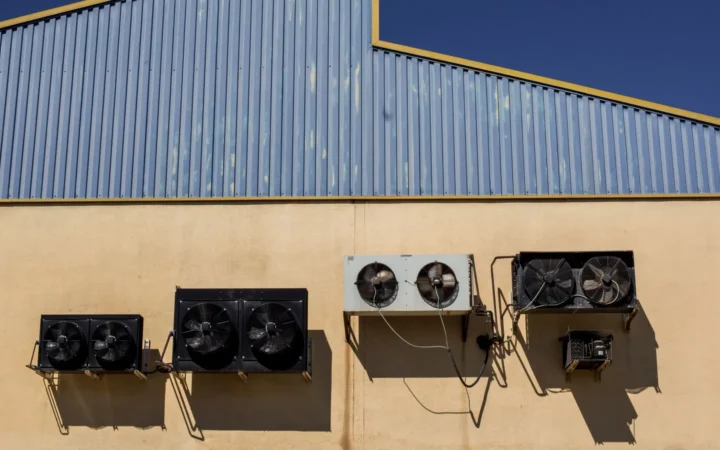
How to ventilate a garage: exhaust fans, intake vents, window and attic fans compared, how to size airflow, where to place fans, which controls help and why a fan never makes running engines indoors safe.
How to choose garage shelving: freestanding, wall-mounted and built-in shelves compared, how load ratings work, how deep and tall shelves should be, and how to plan a safe, tidy layout.
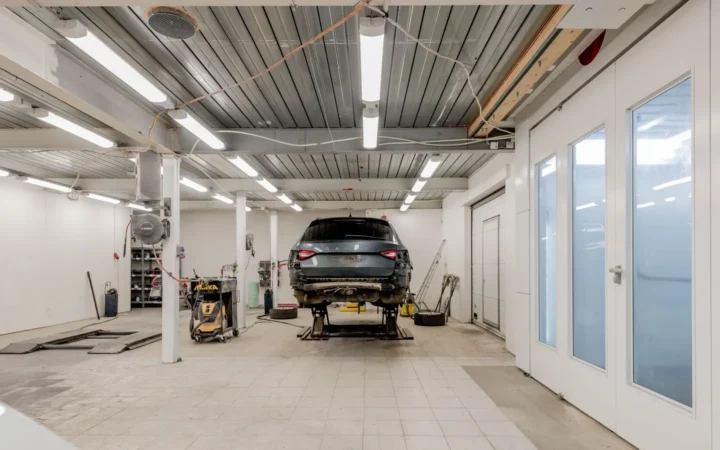
How to light a garage well: how many lumens you need, LED fixture types compared, color temperature and color rendering, layout for parking and workbenches, controls, wiring and safety.
How to choose a garage heater: electric, infrared, propane, natural gas and portable heaters compared, with sizing, installation costs, carbon monoxide and fire safety, and insulation tips.
What a garage conversion costs in 2026, from a finished garage to a bedroom, office, gym or apartment, plus the permits, insulation, heating, utilities and hidden extras that shape the budget.
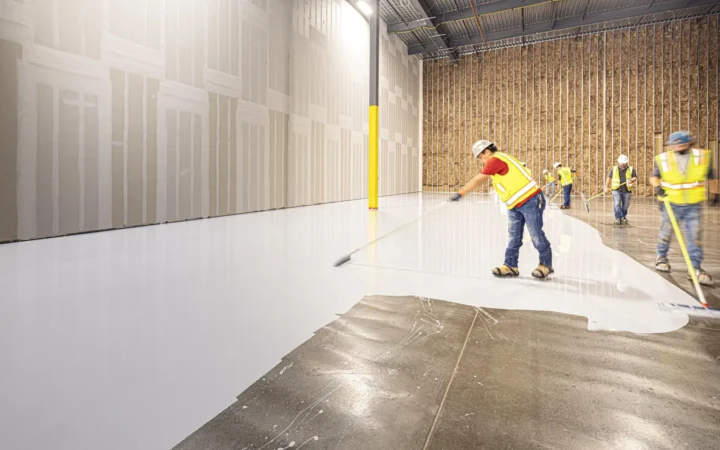
What an epoxy garage floor costs per square foot and by garage size, how DIY kits compare, and the crack repair, grinding and moisture extras that move a quote.
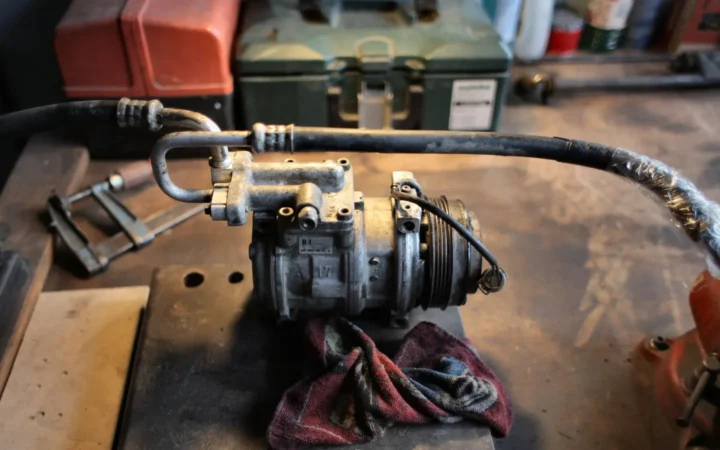
How to choose an air compressor for garage use: matching CFM at 90 PSI to your tools, tank size and duty cycle, compressor styles, oil-free vs oiled, power, noise, hoses, drainage and safety.

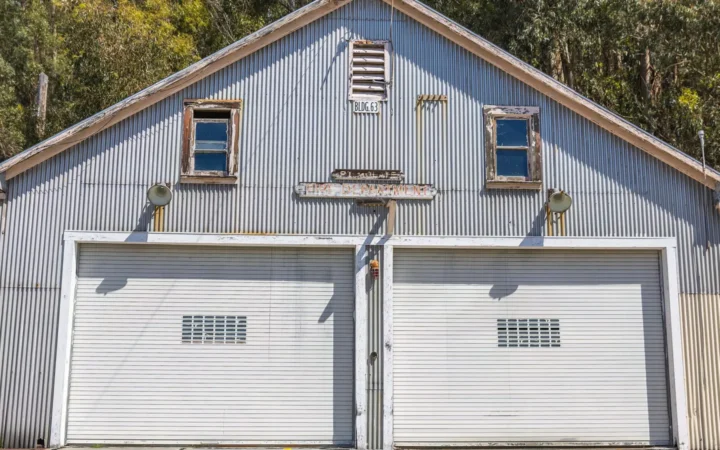 Garage Doors & Openers