
Garage Floor Coating: How to Choose the Right One
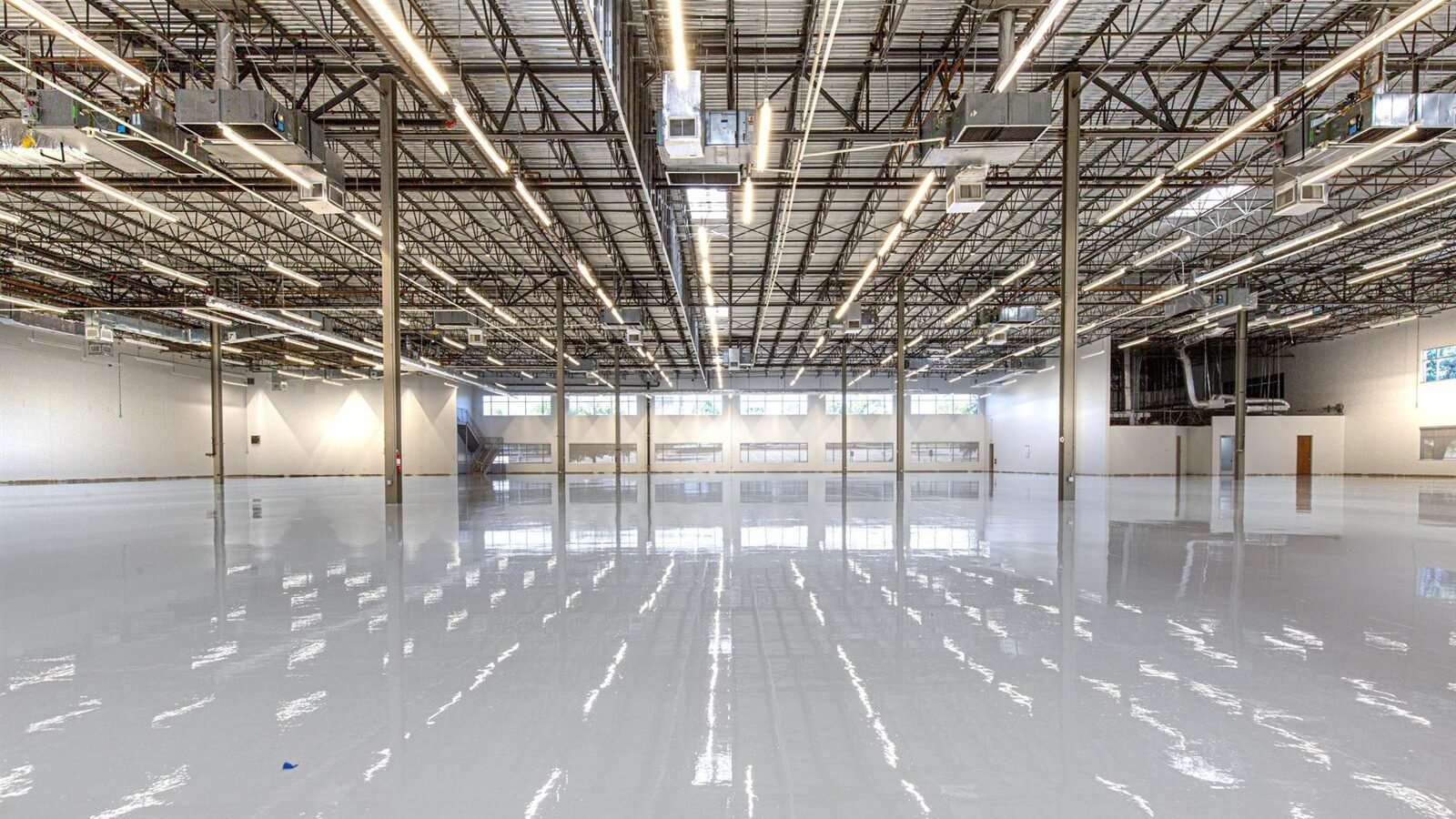
Choosing a garage floor coating is mostly a question about how the floor will be used, not about which product has the glossiest photos. A floor that sees a daily driver with road salt on the tyres needs something different from a floor that sees a lawnmower twice a month. Pick for the use, and the shortlist gets short quickly.
This garage floor coating guide compares the realistic options side by side, explains the one preparation step that decides whether any of them lasts, and says plainly who each option suits and who should skip it. Where we have a detailed guide on a specific product, you will find a link to it rather than a repeat of it here.
Last reviewed and updated: October 8, 2026. How this guide was researched: this garage floor coating comparison is desk research, not a product test. Concrete cure and moisture guidance comes from coatings-industry technical sources, and we point to manufacturer data sheets for the limits that actually govern a specific product. We did not apply or test any coating, so nothing here is a hands-on review.
The five realistic options
Almost every garage floor coating and covering sold falls into one of five groups. The differences that matter are durability, how long you lose the garage for, and how forgiving each one is of a bad surface.

Free download: The Garage Makeover Planner
Our 12-page printable planner: garage profile, measurements and layout grid, declutter tracker, zone plan, floor chooser, door safety checks, budget worksheet and order of work.
| Option | Best for | Main drawback | Install effort |
|---|---|---|---|
| Epoxy | Durable, chemical-resistant finish on a well-prepared slab | Unforgiving of moisture and poor prep; long cure | High |
| Polyaspartic / polyurea | Fast return to service and UV stability | Very short working time; usually a pro job | High, specialist |
| Floor paint | Cheap refresh, light duty | Wears and peels soonest, especially under tyres | Low |
| Interlocking tiles | Covering a slab you cannot or will not fix | Dirt and moisture migrate to the seams | Low |
| Roll-out mats | Renters, winter protection, zero commitment | Not a permanent finish; can trap moisture | Minimal |
Two of these are not coatings at all. Tiles and mats cover a floor rather than bond to it, which is exactly why they are the right answer for some garages. We cover them in garage floor tiles and garage floor mats.
Preparation decides everything
If a garage floor coating fails, prep is almost always why. Coatings do not stick to sealed, polished or contaminated concrete, and they do not survive water pushing up from underneath.
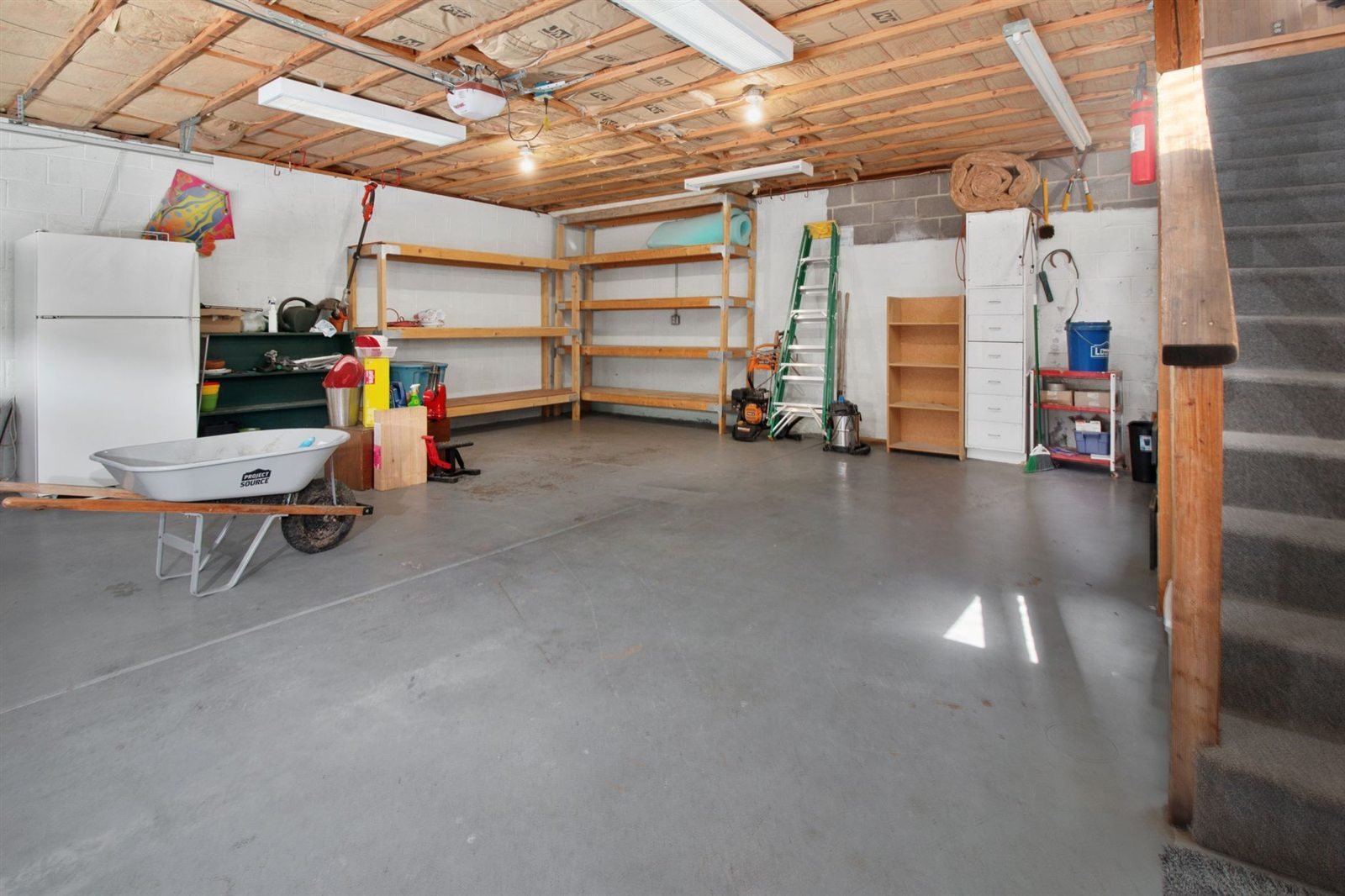
Moisture is the first test, not the last
Concrete holds water, and a coating traps it. Trapped vapour pushes the film off the slab, which shows up as bubbling or sheets lifting months later.
There is a widespread assumption that a 28-day cure means a slab is ready. It does not. Industry coatings guidance describes the 28-day period as allowing enough time for Portland cement concrete to reach its full strength and hydration, which avoids latent water affecting a fluid-applied coating. Curing and drying are different processes, though, and a slab that has cured can still be too wet to coat.
Three test methods come up in practice: a plastic sheet test, a calcium chloride test, and an in-situ relative humidity probe. The important part is not which one you prefer. It is that the coating manufacturer’s data sheet sets both the acceptable moisture level and the test method it will honour. Read that sheet before you buy, because acceptance criteria differ by product, and some manufacturers decline warranty claims based on a method they do not accept.
One more detail worth knowing: as concrete cures it shrinks, and shrinkage cracks can transfer up through a coating. A crack that appears after coating is often the slab moving, not the product failing.
Profile, clean and patch
After moisture, the surface itself has to be right. In order:
- Clear the floor completely and sweep, then vacuum rather than blow dust around.
- Degrease oil spots, because a coating will not bond through oil and the stain will telegraph through.
- Mechanically profile the slab by grinding or shot blasting, which is more reliable than acid etching.
- Patch cracks and spalling with a product compatible with your coating.
- Vacuum again, thoroughly, and let everything dry.
Skipping step three is the single most common cause of a garage floor coating peeling in strips a year later. A smooth, sealed slab gives the product nothing to grip.
Epoxy: the durable default
Epoxy is the benchmark garage floor coating for a reason. A properly applied system is hard, chemical-resistant and thick enough to level minor imperfections. It handles hot tyres, dropped tools and solvent spills better than paint.
The trade-offs are real, though. Epoxy is the least forgiving option when the slab is damp or poorly profiled, and the cure takes time, so you lose the garage for several days. Most epoxies also amber in sunlight, which matters if the door stays open or the space has big windows.
Choose epoxy if your slab is sound and dry, you want maximum durability, and you can give up the garage for the better part of a week. Skip it if the floor has a known moisture problem, because epoxy will find it.
For the detail, see epoxy garage floor, the step-by-step in how to epoxy a garage floor, and what drives the number in epoxy garage floor cost. Work out how much product you need with the epoxy floor coverage calculator.
Polyaspartic: fast, tough and unforgiving of mistakes
Polyaspartic and polyurea systems cure far faster than epoxy and hold their colour in UV light. A professional crew can often grind, coat and hand the garage back within a day or two, which is the main reason people pay for them.
Speed cuts both ways. The working time is short, sometimes only minutes, so there is little room to correct a run or a missed patch. That is why these systems are usually installed by crews rather than owners, and why a weekend DIY attempt tends to go badly.
Choose polyaspartic if you want a hard-wearing floor with minimal downtime, the space gets sunlight, and you are hiring a professional anyway. Skip it if you are doing the work yourself for the first time. Our polyaspartic floor coating guide covers it properly.
Floor paint: honest about what it is
Garage floor paint is the thinnest garage floor coating, and it should be judged as a refresh rather than a system. On a lightly used floor it tidies the space up for modest effort and cost.
Under a car it struggles. Hot tyre pickup, where warm tyres lift the film as the car sits, is the classic failure, and paint also chips where tools land. It does have one genuine advantage: because the film is thin and cheap, recoating is easy and a mistake is not expensive.
Choose paint if the garage is storage, a workshop without vehicles, or a space you plan to redo properly later. Skip it if you park on it daily. See garage floor paint for the detail.
Tiles and mats: when covering beats coating
Sometimes the right answer is not a coating at all. If the slab is cracked, damp, or you rent the property, bonding something permanent to it is the wrong move.
Interlocking tiles install in an afternoon, lift if you need access, and tolerate a slab you would never coat. The cost is seams, which collect dirt and let moisture through to the concrete. Roll-out mats go further still: they protect against winter salt and drips, and they leave with you.
Choose tiles or mats if you rent, your slab has problems you are not fixing now, or you want the garage usable immediately. Skip them if you want a seamless surface that reads as part of the building.
Which finish should you put on top?
Once the garage floor coating system is chosen, there is a second decision that affects daily life more than people expect.
- Plain colour. Cleanest look, and the least forgiving of dust, tyre marks and imperfections.
- Broadcast flake. Hides dirt, adds grip, and disguises a slab that is not perfectly flat. The most practical choice for a working garage.
- Quartz or aggregate. Maximum grip and durability, rougher underfoot and harder to sweep.
- High-gloss clear top coat. Looks superb and shows every speck of dust. A satin top coat is usually the easier floor to live with.
Grip deserves a thought before gloss. A smooth coated floor is slippery when wet, and a garage floor gets wet every time a car comes in during rain or snow.
How long does a garage floor coating last?
Honestly, that depends far more on preparation and use than on the product label. A thin paint on a busy floor can fail within a season, while a properly prepared resin system on a dry slab can go many years without drama.
The variables that actually drive lifespan are:
- Whether the slab was profiled mechanically or just etched.
- Whether moisture was tested against the manufacturer’s limit.
- How many coats went down, and at what thickness.
- Whether vehicles park on it, and whether road salt comes in.
- Whether there is a top coat protecting the colour layer.
Treat any lifespan claim that ignores those five as marketing rather than information.
What drives the cost of a garage floor coating
We do not publish prices, because they move with region, installer and material supply. The drivers are stable, though, and knowing them makes two quotes comparable instead of confusing.
- Floor area and layout. Obstructions, steps and awkward corners slow a crew down more than square footage alone suggests.
- Condition of the slab. Cracks, spalling, oil contamination and old failed coatings all add removal or repair work before anything new goes down.
- Preparation method. Diamond grinding costs more than etching and is worth it. Shot blasting costs more again and suits large or badly contaminated floors.
- Number of coats and thickness. A single-coat product and a full primer, base, flake and top coat system are not the same purchase.
- Chosen chemistry. Fast-cure systems carry a labour premium and a shorter disruption window, which is often the point.
- Finish. Full flake broadcast uses more material and more labour than a plain colour.
When comparing quotes, insist each one states the preparation method and the number of coats. A cheaper quote that etches instead of grinding is not the same job, and the difference usually shows up within a year or two.
Living with the floor afterwards
A coated floor is low maintenance, not no maintenance. Most of the damage a garage floor coating suffers after year one is avoidable.
Let the system cure fully before you park on it. Walking on a floor and loading it with a vehicle are different demands, and manufacturers usually publish separate times for each. Returning a car too early is a common way to ruin a good installation on day three.
After that, the routine is simple:
- Sweep or dust mop regularly, because grit underfoot is what dulls a finish.
- Rinse off road salt in winter rather than letting it sit through the season.
- Wipe spills reasonably promptly, especially brake fluid and other solvents.
- Use a mat under a vehicle that drips, rather than letting it stain in one spot.
- Put plywood or a pad under jack stands and heavy point loads.
- Recoat the clear top layer when it dulls, instead of waiting for the colour coat to wear through.
That last point is the one that stretches a floor’s life furthest. A top coat is a sacrificial layer, and refreshing it is a far smaller job than redoing the system.
Doing it yourself or hiring out
The honest garage floor coating split is about equipment and recovery time, not skill. Renting a grinder and working methodically puts a good epoxy result within reach of a careful DIYer. Fast-cure systems are different, because the working time leaves no room to think.
Hire out if the slab needs significant repair, if you suspect a moisture problem, or if you want the garage back in a day. Do it yourself if the slab is sound, you can lose the space for a week, and you are willing to spend most of the first day on preparation rather than coating.
Either way, measure the floor first. The epoxy floor coverage calculator and the garage floor tile calculator both take real dimensions, and every free tool is on the tools page. The broader garage floors hub covers related projects.
Frequently asked questions
Do I have to wait 28 days before coating new concrete?
Industry coatings guidance treats 28 days as the point where Portland cement concrete has reached full strength and hydration, which avoids latent water affecting the coating. It is a guideline rather than a hard rule: coating earlier is possible if the slab’s moisture content is within the tolerances published by the coating manufacturer. Curing and drying are not the same thing, so test rather than assume.
Can I put a coating over a damp garage floor?
No. Trapped moisture pushes a coating off the slab, which shows up as bubbling or peeling later. Test the slab using a method the coating manufacturer accepts, such as a plastic sheet test, a calcium chloride test or an in-situ relative humidity probe, and compare the result to that product’s published limit.
Is acid etching enough preparation?
Usually not. Mechanical profiling by grinding or shot blasting is far more reliable, because it gives the coating a consistent surface to grip and removes sealers that etching leaves behind. Peeling in strips a year after application is the classic sign that the slab was never properly profiled.
What is hot tyre pickup?
It is when warm tyres bond to a floor finish and lift it as the car sits or pulls away, leaving patches. Thin coatings such as floor paint are most vulnerable, which is the main reason paint struggles in a garage you park in daily. Thicker, properly bonded resin systems resist it far better.
Should I choose flake or a plain colour?
Flake for a working garage, plain for a showpiece. A broadcast flake finish hides dust and tyre marks, adds grip underfoot, and disguises a slab that is not perfectly flat. A plain colour looks cleaner in photographs and shows everything in real life.
Are tiles or mats worse than a coating?
No, they are different. Tiles and mats cover the slab instead of bonding to it, which makes them the right answer when you rent, when the concrete has problems you are not fixing, or when you need the garage back immediately. The trade-off is seams, which collect dirt and let moisture reach the concrete.
Sources and further reading
- Tnemec, on the 28-day concrete cure before coating and moisture test methods
- ASTM International, publisher of the concrete moisture test standards referenced by coating data sheets
This guide is educational. Always follow the coating manufacturer’s technical data sheet for surface preparation, moisture limits and recoat times, and use appropriate ventilation and protective equipment when working with resin systems.
Keep planning
- Polyaspartic Floor Coating: Cost, Lifespan and vs Epoxy
- How to Epoxy a Garage Floor: Step-by-Step DIY Kit Guide
- Garage Floor Tiles: Types, Costs and How to Install Them
- Garage Floor Paint: Types, Prep and When to Choose Coating
Go deeper: Garage Floors hub · Epoxy Floor Coverage Calculator · Garage Floor Tile Calculator

Written by Jeremy Jarvis
Jeremy Jarvis is the founder and editor of Garage Playbook, where he builds research-based guides and free planning tools for garage doors, floors, storage, heating and cooling, and workshops. He sets the site's editorial standards, checks every guide against official sources such as federal safety standards, EPA and OSHA guidance and manufacturer documentation, and is responsible for corrections. Jeremy also founded Eco Nomad Travel, Mind Clarity Hub, SilkHarborTravel, WanderOza Travel, Freedom Road Living and PowerProof Home, and he is the author of books on clarity, focus and practical AI, including The Power of Clarity and Digital Clarity.