
Garage Floor Paint: Types, Prep and When to Choose Coating
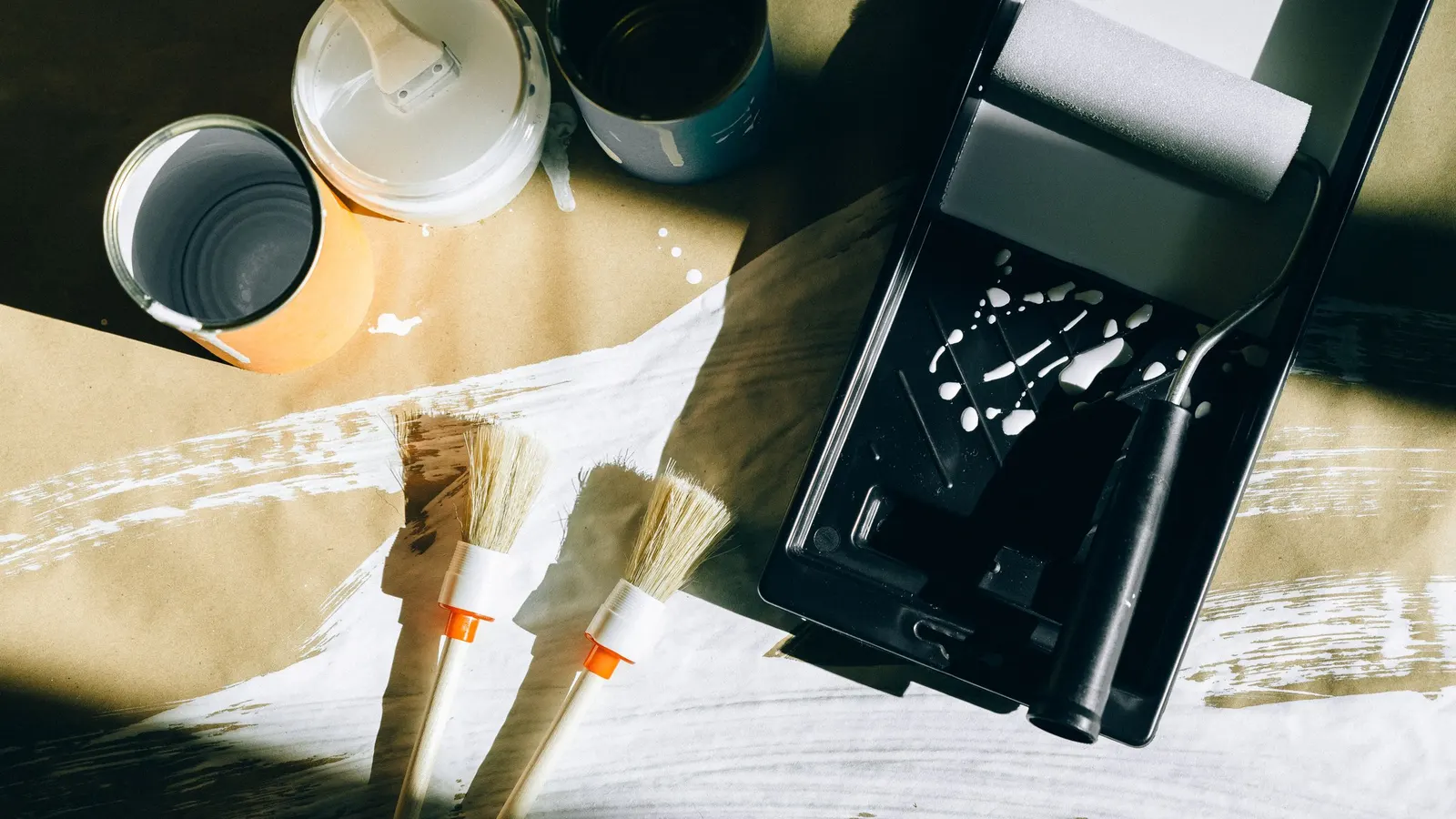
Garage floor paint is the quickest and least expensive way to refresh a dull, stained concrete floor. A painted floor looks cleaner, reflects more light and is easier to sweep. However, garage floor paint is not the same as a true epoxy or polyaspartic coating, and choosing the wrong product for a busy garage leads to peeling and tire marks.
Last reviewed and updated: October 2, 2026. Written by Jeremy Jarvis.
Key takeaways
- Garage floor paint is a thinner, easier and cheaper finish than a true 2-part epoxy or polyaspartic coating.
- Products labeled 1-part epoxy paint are usually acrylic or latex paints with some epoxy added, not full epoxy coatings.
- Paint suits light-use garages and quick refreshes; daily parking and hot tires favor a 2-part coating.
- Moisture testing, degreasing and etching or grinding decide how long any painted garage floor lasts.
This guide explains the main types of garage floor paint, how they compare with 2-part coatings, and how to prepare and apply paint so it lasts. It also helps you decide when paint is the right choice and when a coating is worth the extra cost.
Paint vs coating: what is the difference?
The words get mixed up. In fact, HomeGuide notes that some people use painting, coating and sealing interchangeably when referring to refinishing garage floors. Yet the products behave very differently.
A paint dries as its water or solvent evaporates, leaving a thin film on the surface. A 2-part coating, such as epoxy or polyaspartic, cures through a chemical reaction between a resin and a hardener. That reaction builds a thicker, harder layer that bonds into the concrete. As a result, coatings resist chemicals, abrasion and hot tires far better than paint.
Sealers are a third category. Clear penetrating or film-forming sealers protect bare concrete from stains without changing its color much. HomeGuide notes that floor finishes like these protect your concrete floor from stains, chemicals and wear, potentially extending its lifespan.

Free download: The Garage Makeover Planner
Our 12-page printable planner: garage profile, measurements and layout grid, declutter tracker, zone plan, floor chooser, door safety checks, budget worksheet and order of work.
Types of garage floor paint
Most garage floor paint falls into a few families. Each balances cost, durability and ease of use differently.
| Product | What it is | Best for |
|---|---|---|
| Latex or acrylic porch and floor paint | Water-based paint made for floors | Light-use garages, low odor, easy cleanup |
| 1-part epoxy paint | Acrylic or latex paint fortified with some epoxy | A tougher paint for moderate use |
| Oil-based floor enamel | Solvent-based enamel | Hard film, but stronger fumes and slower drying |
| Concrete stain | Penetrating color with no thick film | Decorative color that will not peel |
| 2-part epoxy coating | Resin plus hardener that cures chemically | Daily parking and heavy use |
The label matters. Products sold as 1-part epoxy paint are not true epoxy coatings. They are easier to apply and often perform better than plain latex, but they still behave like paint. For a true coating, look for a 2-part product with separate resin and hardener.
When garage floor paint makes sense
Paint is a sensible choice in several common situations. For example, a garage used mainly for storage or as a workshop without daily parking does not need a heavy-duty coating. Paint gives it a clean, bright look for a modest budget.
Paint also suits short-term goals. If you are preparing to sell, refreshing a rental, or simply want a better look while you save for a full coating, garage floor paint delivers a quick improvement. In addition, it is easy to touch up, since you can repaint worn areas without grinding the whole floor.
Finally, paint can be the practical option for DIYers who want a forgiving product. Water-based floor paints have long working times, mild odor and soap-and-water cleanup.
When to choose a coating instead
A 2-part coating is the better investment when you park on the floor every day, especially in hot climates or after long drives. Hot tires can soften paint and pull it up, a problem known as hot tire pickup. Coatings resist it much better.
Coatings also make sense where oil, antifreeze and road salt are common, or where you want decorative flakes and a showroom look. HomeGuide puts professional garage floor coatings at $4 to $12 per square foot, or $1,600 to $6,900 for a typical 2-car garage. For epoxy specifically, it lists $4 to $10 per square foot. Our epoxy garage floor guide compares the coating options in detail.
If the slab is cracked, uneven or damp, consider interlocking tiles. They cover flaws that paint and coatings would show. Our garage floor tiles guide explains how they compare.
Step one: test for moisture
Moisture coming up through the slab is a common reason garage floor paint peels. ASTM D4263, the plastic sheet method, is used to indicate the presence of capillary moisture in concrete. Tape a square of clear plastic tightly to the floor in a few spots, wait, then check underneath for condensation or darkened concrete.
If moisture shows, painting is risky. In that case, address drainage first, consider a breathable concrete stain, or choose tiles. Painting over a damp slab usually ends with blisters and flaking.
Preparing the floor for paint
Prep decides how long a painted garage floor lasts. HomeGuide notes that common issues that may need addressing include cracks, chips, oil stains, moisture problems and uneven surfaces. Each needs attention before the first coat.
Start by emptying the garage and sweeping thoroughly. Next, scrub oil and grease stains with a concrete degreaser and rinse well. Then open up the surface so the paint can grip. On bare, unsealed concrete, an etching product may be enough. On sealed or previously coated floors, grinding or sanding is needed to remove the old finish.
A simple water test helps. Sprinkle a little water on the cleaned floor. If it soaks in and darkens the concrete, the surface is ready. If it beads up, a sealer or oil is still present.
After that, fill cracks and chips with a concrete repair product and let it cure. Finally, vacuum away every bit of dust and let the floor dry completely, especially after etching and rinsing.
How to apply garage floor paint
Check the label for the right air and floor temperatures, and plan around a dry stretch of weather. Then mask the walls and the bottom of the garage door.
- Stir the paint thoroughly. If you are using a 1-part epoxy paint, follow any special mixing instructions.
- Cut in the edges and corners with a brush, working a few feet at a time.
- Roll the floor in sections, starting at the back and working toward the door.
- Keep a wet edge and avoid going back over areas that have started to dry.
- Add an anti-slip additive to the final coat if the product allows it.
- Apply a second coat after the recoat time on the label.
Two thin coats usually last longer than one thick coat. Thin coats dry evenly and bond better, while a heavy coat can stay soft underneath.
Drying, curing and parking
Paint may feel dry to the touch within hours, but it keeps hardening for days. Most labels list separate times for foot traffic and for vehicles. Follow them closely. Parking too soon is the fastest way to get tire marks and lifted paint.
Cool, damp weather slows drying. Therefore, give the floor extra time in spring and autumn. Meanwhile, keep the garage ventilated and avoid dragging heavy items across the new surface until it has fully hardened.
Ventilation and safety
Paints release vapors as they dry. EPA notes that paints, varnishes and wax all contain organic solvents, and it advises increasing ventilation when using products that emit volatile organic compounds. It also notes that levels of several organics average 2 to 5 times higher indoors than outdoors.
So open the garage door when weather allows, run a fan that exhausts air outdoors, and keep the door into the house closed. Wear gloves and eye protection, and use the respirator the label recommends for solvent-based products. Also, store opened cans away from living areas and heat sources once you finish.
Avoiding hot tire pickup
Hot tire pickup happens when warm tires soften a floor finish and pull it up as the car moves. It is the most common complaint about painted garage floors. Several steps reduce the risk.
First, prepare the surface well, since poor bonding makes pickup far more likely. Second, choose a product that states resistance to hot tires, such as a quality 1-part epoxy paint. Third, let the paint cure fully before parking. Finally, consider parking mats under the tires in summer. If pickup keeps happening, a 2-part coating is the long-term fix.
Caring for a painted garage floor
Painted floors last longer with gentle care. Sweep often, since grit wears the finish under tires and shoes. Clean spills quickly, especially oil, brake fluid and gasoline, which can soften some paints. In winter, rinse off road salt regularly.
Use felt or rubber pads under heavy equipment, and put a sheet of plywood under jack stands. When traffic areas wear thin, clean and lightly scuff them, then touch up with the same paint. Small, regular touch-ups keep the floor looking fresh for years.
Concrete garage floor paint vs concrete stain
If peeling worries you, consider a stain instead of a concrete garage floor paint. A stain soaks into the concrete and colors it from within, rather than forming a film on top. Because there is no film, there is nothing to peel or lift under hot tires.
However, stains do not hide stains, cracks or patchy concrete, and they offer less protection against oil and chemicals. Many owners therefore apply a clear sealer over a stain for extra protection. By contrast, concrete garage floor paint hides blemishes and gives a uniform color, but it needs good prep and occasional touch-ups. In short, choose stain for a natural, low-maintenance look and paint for a clean, uniform finish.
Choosing a color and finish
Color affects how the garage feels and how often you clean it. Light grays and tans brighten the space and hide dust well. Very dark colors look sharp at first but show dust, salt and tire marks quickly. Pure white shows everything.
Sheen matters too. A satin or semi-gloss finish is easier to clean than flat paint, but a high gloss can be slippery when wet. Therefore, add an anti-slip additive to the final coat, especially near the door where rain and snow come in. Finally, test a small area first, since colors look different under garage lighting than on a paint chip.
Estimating how much paint you need
Coverage varies by product and by how porous your concrete is. The label lists square feet per gallon, usually for a smooth surface. Rough or freshly etched concrete absorbs more, so the first coat often uses extra.
To estimate, measure the floor’s length and width, multiply them, and divide by the label’s coverage rate. Then multiply by the number of coats. The Epoxy Floor Coverage Calculator does this math for paint as well as epoxy, and adds a little extra for porous concrete.
Garage floor paint checklist
- Decide between paint, a 2-part coating or tiles based on use.
- Test the slab for moisture with a taped plastic sheet.
- Degrease stains and etch or grind the surface.
- Fill cracks and vacuum all dust.
- Paint within the label’s temperature range.
- Apply two thin coats with an anti-slip additive on top.
- Wait the full cure time before parking.
Where to compare garage floor paints
When you are ready to buy, compare current garage floor paints, 1-part epoxy floor paints and concrete etching products. Check hot tire resistance and coverage on each label. If you decide on a full coating instead, read our step-by-step epoxy guide or visit the Garage Floors hub.
Frequently asked questions about garage floor paint
What kind of paint do you use on a garage floor?
Use a product made for garage or concrete floors, such as a 1-part epoxy-fortified acrylic, a latex porch and floor paint, or an oil-based floor enamel. Ordinary wall paint is too soft. For heavy use and daily parking, a 2-part epoxy or polyaspartic coating is more durable.
Is garage floor paint as good as epoxy?
Not for heavy use. Paint is thinner and dries rather than curing chemically, so it wears and lifts under hot tires sooner. HomeGuide notes some people use painting, coating and sealing interchangeably, but a 2-part coating builds a much tougher film.
How much does a professional garage floor coating cost compared with paint?
HomeGuide puts professional garage floor coatings at $4 to $12 per square foot, or $1,600 to $6,900 for a 2-car garage. Paint is usually a DIY project with a far lower material cost, which is its main appeal.
How do I prepare a garage floor for paint?
Test for moisture, remove everything from the floor, scrub away oil with a degreaser, then etch or grind the concrete so the paint can grip. Fill cracks, vacuum the dust, and paint only within the temperature range on the label.
Can I paint over an old painted garage floor?
Sometimes. If the old paint is firmly bonded, clean it and scuff it so the new coat can grip, and check that the products are compatible. If the old paint is peeling, remove the loose areas first, or grind the floor back to bare concrete.
Sources and how we researched this guide
This guide is research-based. We did not paint floors for this article; we compared common product types and used HomeGuide’s garage floor coating and epoxy cost data, the ASTM D4263 concrete moisture test method and EPA guidance on volatile organic compounds. Follow the paint maker’s instructions for prep, temperatures and recoat times. Found something out of date? Tell us and we will check it against the source.
- HomeGuide: Garage floor coating cost
- EPA: Volatile organic compounds’ impact on indoor air quality
- ASTM D4263: Indicating moisture in concrete by the plastic sheet method
- HomeGuide: Epoxy flooring cost
Keep planning
- Polyaspartic Floor Coating: Cost, Lifespan and vs Epoxy
- How to Epoxy a Garage Floor: Step-by-Step DIY Kit Guide
- Garage Floor Tiles: Types, Costs and How to Install Them
- Garage Floor Mats: Containment, Parking and Anti-Fatigue Mats
Go deeper: Garage Floors hub · Epoxy Floor Coverage Calculator · Garage Floor Tile Calculator

Written by Jeremy Jarvis
Jeremy Jarvis is the founder and editor of Garage Playbook, where he builds research-based guides and free planning tools for garage doors, floors, storage, heating and cooling, and workshops. He sets the site's editorial standards, checks every guide against official sources such as federal safety standards, EPA and OSHA guidance and manufacturer documentation, and is responsible for corrections. Jeremy also founded Eco Nomad Travel, Mind Clarity Hub, SilkHarborTravel, WanderOza Travel, Freedom Road Living and PowerProof Home, and he is the author of books on clarity, focus and practical AI, including The Power of Clarity and Digital Clarity.