
Polyaspartic Floor Coating: Cost, Lifespan and vs Epoxy
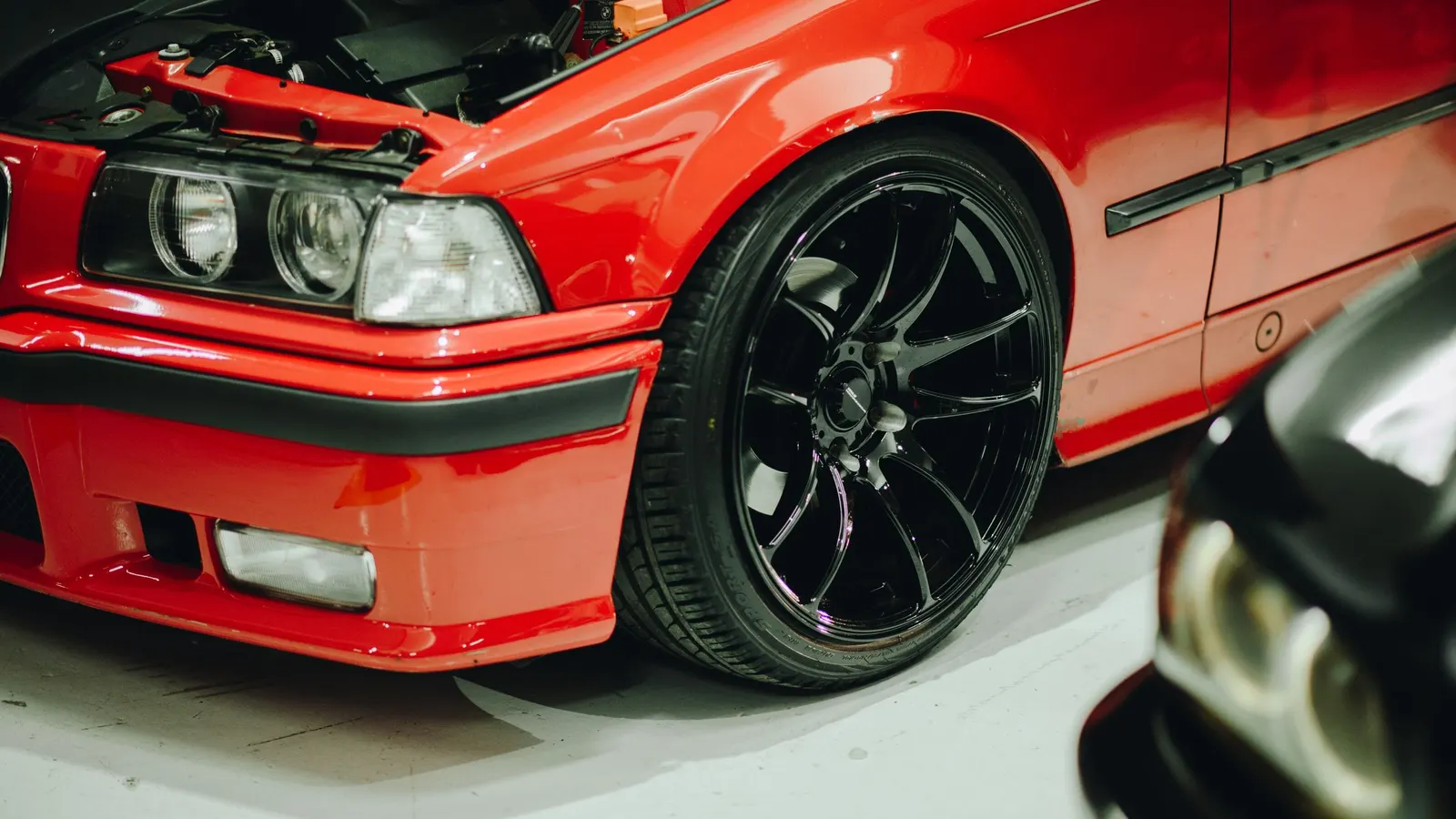
A polyaspartic floor coating is a fast-curing, durable finish for concrete that many garage floor installers now prefer over traditional epoxy. It can often be applied and ready for light use within a day or two, it resists sunlight better than many epoxies, and it bonds strongly to properly prepared concrete. However, it costs more, and its speed makes it harder to apply.
Last reviewed and updated: October 2, 2026. Written by Jeremy Jarvis.
Key takeaways
- A polyaspartic floor coating is a fast-curing relative of polyurea that HomeGuide prices at $5 to $12 per square foot installed.
- HomeGuide lists polyaspartic and polyurea lifespans at 10 to 20 years or more, compared with 3 to 20 years for epoxy.
- Polyaspartic takes 1 to 2 days to cure, versus up to a week for epoxy, so the garage is back in use sooner.
- Fast cure leaves little working time, which is why most polyaspartic floors are installed by professionals.
This guide explains what a polyaspartic floor coating is, how it compares with polyurea and epoxy, what it costs and how long it lasts. It also covers hybrid systems, moisture and prep, and the questions to ask an installer. If you are still weighing epoxy, start with our epoxy garage floor guide.
What a polyaspartic floor coating is
Polyaspartic is a type of aliphatic polyurea. Like epoxy, it is a two-part system: a resin and a hardener that react to form a hard plastic layer. Unlike epoxy, the reaction is fast, which is why polyaspartic floors are often marketed as one-day or two-day floors.
HomeGuide describes polyaspartic as closely related to polyurea, offering superior surface bonding and enhanced workability in most cases, which justifies its slightly higher price point. In practice, that means a polyaspartic floor coating bonds well to concrete while giving installers a little more time to work than pure polyurea.
Polyaspartic vs polyurea
The names are often used loosely, so it helps to separate them first. For example, traditional polyurea cures extremely fast, which suits spray application on industrial surfaces. By contrast, polyaspartic slows that reaction down enough to roll and squeegee it in a garage.
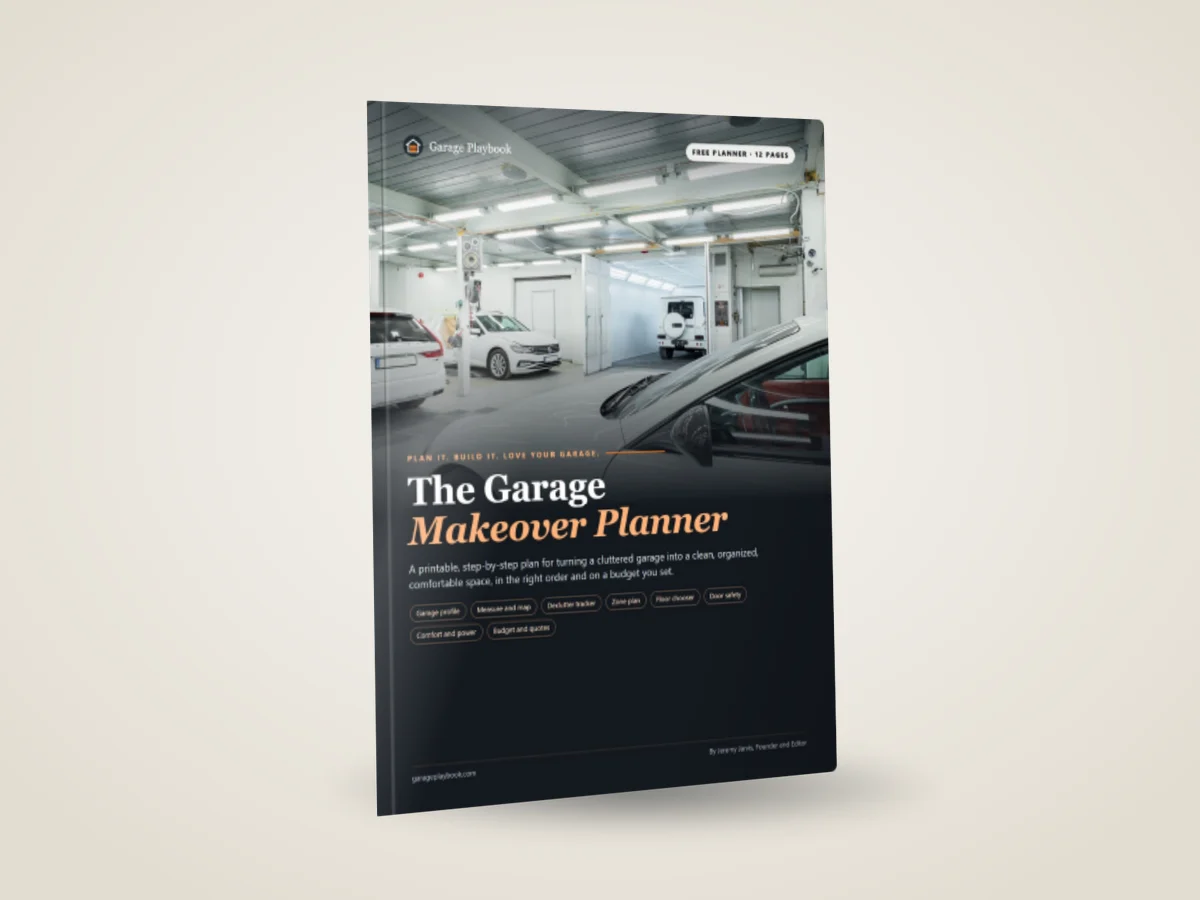
Free download: The Garage Makeover Planner
Our 12-page printable planner: garage profile, measurements and layout grid, declutter tracker, zone plan, floor chooser, door safety checks, budget worksheet and order of work.
HomeGuide compares them on several points. In terms of cost, polyaspartic floor coating is usually higher than traditional polyurea, depending on location. As for curing, both are fast, but polyaspartic coatings take a little longer to harden, which makes them easier to work with and gives installers more time to ensure proper application. In addition, polyaspartic coatings adhere better to the concrete surface. Finally, on durability, HomeGuide says polyaspartic coatings are stronger and perform better than polyurea in most cases.
Polyaspartic, polyurea and epoxy compared
HomeGuide’s garage floor coating data puts the three main systems side by side:
| Coating | Cost per sq ft | 2-car garage | Lifespan | Cure time |
|---|---|---|---|---|
| Epoxy | $4 – $10 | $1,600 – $5,800 | 3 to 20 years | Up to 1 week |
| Polyurea | $5 – $10 | $2,000 – $5,800 | 10 to 20+ years | 1 day |
| Polyaspartic | $5 – $12 | $2,000 – $6,900 | 10 to 20+ years | 1 to 2 days |
Overall, the pattern is clear. Epoxy is the least expensive but takes longest to cure and has the widest lifespan range. Meanwhile, polyurea and polyaspartic cost a little more but cure quickly and sit at the long end of the lifespan range.
Benefits of a polyaspartic floor coating
The biggest practical benefit is speed. A polyaspartic floor coating can take the garage out of service for a day or two instead of a week. For households that park inside every night or use the garage as the main entrance, that matters a lot.
Durability is the second benefit. HomeGuide lists a 10 to 20 year or longer lifespan for polyaspartic garage floors. In addition, aliphatic coatings such as polyaspartic generally hold their color better in sunlight than standard epoxy, which can yellow near an open door.
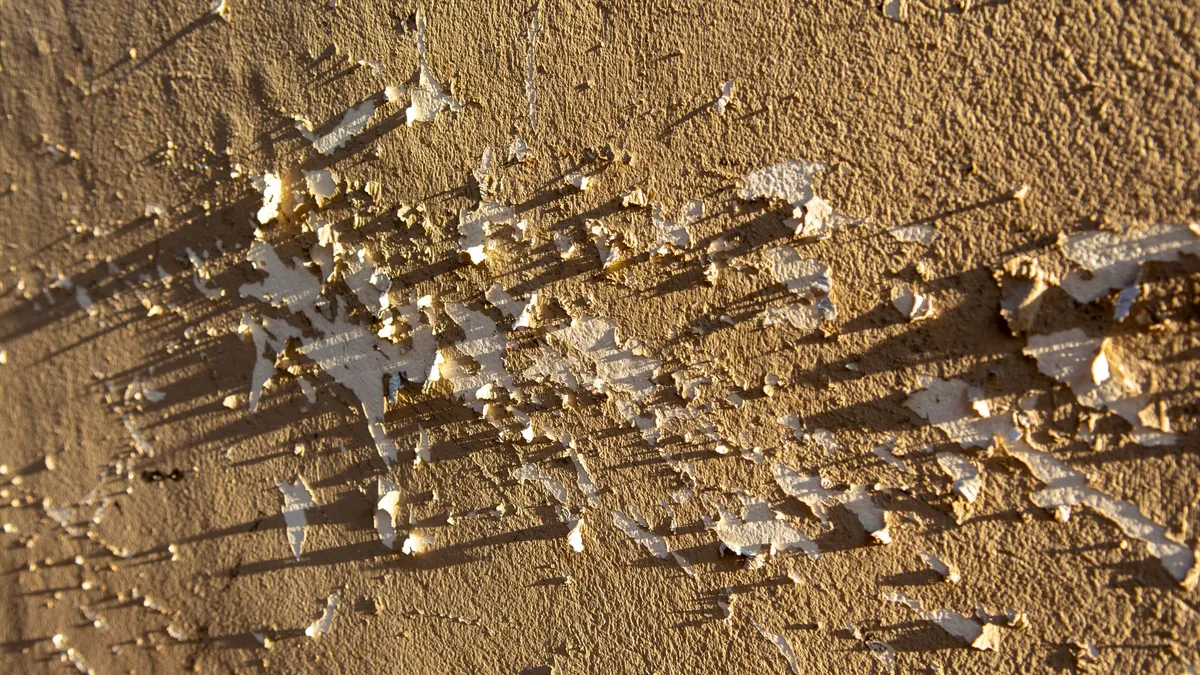
Finally, polyaspartic bonds strongly to well-prepared concrete. HomeGuide notes that polyaspartic coatings adhere better to the concrete surface than polyurea coatings. A strong bond is the foundation of a floor that does not peel under hot tires.
Drawbacks to weigh
First, cost is a drawback. HomeGuide puts polyaspartic at $5 to $12 per square foot, compared with $4 to $10 for epoxy. On a large floor, that difference adds up.
Second, application is harder. The same fast cure that gets you back in the garage quickly also leaves little time to spread and correct the coating. As a result, mistakes such as roller marks or thin spots are harder to fix, and DIY results can be uneven. Moreover, the coating will only perform if the slab is properly ground and dry. Speed does not excuse skipping prep.
Polyaspartic floor coating cost
HomeGuide lists polyaspartic garage floor coating at $5 to $12 per square foot, or $2,000 to $6,900 total for professional installation in a 2-car garage. Its broader coating data breaks the per-square-foot price into materials at $1 to $6 and labor at $3 to $6.
For comparison, HomeGuide’s polyurea data shows $1,400 to $3,900 for a 1-car garage, $2,000 to $5,800 for a 2-car garage and $2,900 to $8,600 for a 3-car garage. Polyaspartic usually sits at or above those figures. Testing may add $50 to $300, or more if the concrete requires hardening treatments or a moisture barrier.
When comparing quotes, check whether a price covers a full polyaspartic system or an epoxy base with a polyaspartic top coat. Both are common, and they are priced differently. Our epoxy garage floor cost guide explains the line items to compare.
How long a polyaspartic floor lasts
HomeGuide puts polyaspartic and polyurea garage floors at 10 to 20 years or more. For polyurea specifically, it notes that with proper installation and maintenance, coatings can last 10 to 20 years or more. Those conditions matter. A floor laid over a damp or poorly ground slab will not reach that range, whatever the product.
Daily use also affects life, of course. Heavy tool chests dragged across the floor, dropped tools and road salt left to sit all wear the top layer. Fortunately, many systems can be refreshed with a new top coat after light sanding, which extends the floor’s life without starting over.
Cure time and getting back in the garage
HomeGuide says polyaspartic takes 1 to 2 days to cure and polyurea about 1 day, compared with up to a week for epoxy. It also notes that a polyurea project, including preparation and application, takes 1 to 2 days on average.
In practice, installers usually allow foot traffic first and vehicles later. Ask for both times in writing. Even with a fast-curing coating, parking too soon on a soft surface can leave tire marks or lift the coating, particularly with hot tires in summer.
Hybrid systems: epoxy base, polyaspartic top
In practice, many installers combine the two materials. A typical system uses an epoxy or polyurea base coat, a broadcast of decorative flakes and one or two clear polyaspartic top coats. The base coat builds thickness and fills the concrete’s pores, while the polyaspartic top coat adds sunlight resistance and a tough wear layer.
This hybrid approach can balance cost and performance. However, it may add a day to the schedule, because the base coat must cure before the top coat goes on. Ask installers to name each layer, its product and its thickness, so you can compare hybrid and full-polyaspartic quotes fairly.
Prep and moisture still decide the result
Above all, no coating overcomes poor prep. Professional installers diamond-grind the slab to open the pores and remove old sealers, then fill cracks and vacuum thoroughly. Fast-curing coatings make this even more important, because they lock in whatever is under them within minutes.
Moisture is the other key factor, too. ASTM F1869 states that all concrete subfloors emit some amount of moisture in vapor form, and that all floor coverings are susceptible to failure from excessive moisture vapor emissions. Ask how the installer tests for moisture and what primer or barrier they use if the slab is damp.
Fumes and ventilation
Coatings can release vapors during application. EPA advises increasing ventilation when using products that emit volatile organic compounds, and it reports that during and for several hours after certain activities, indoor levels may be 1,000 times background outdoor levels. Professional installers typically ventilate the garage and may ask you to keep doors into the house closed.
If you have family members who are sensitive to odors, ask about the product’s VOC content and how long to stay out of the garage. Also, plan to keep pets and children away until the installer says the area is clear.
DIY or professional installation
A few DIY polyaspartic kits exist, and confident DIYers can get good results on small floors. However, the short working time is unforgiving. If a batch starts to set before it is spread, the result is uneven, and fixing it often means grinding.
For most homeowners, professional installation is the safer route for a polyaspartic floor coating. Pros mix in small batches, work in teams and use industrial grinders for prep. If you prefer DIY, a water-based epoxy kit is far more forgiving; see our step-by-step epoxy guide. For a budget alternative, compare garage floor paint.
Colors, flakes and finishes
A polyaspartic garage floor can look many different ways. The most popular option is a full flake broadcast, where colored vinyl chips cover the base coat completely before the clear top coat goes on. Flakes hide small flaws in the concrete, add texture for grip and make dust and tire marks far less visible.
Alternatively, a partial broadcast leaves some solid color showing between the flakes, which costs a little less. Solid-color floors look clean and modern, but they show dirt more. Meanwhile, clear polyaspartic over ground concrete gives an industrial look that some owners love. Whatever you choose, ask for a physical sample rather than relying on a screen, since colors look different under garage lighting.
Maintenance and recoating
Routine care is simple. Sweep or dust-mop often, because grit is what dulls the surface over time. Then wash with a mild, pH-neutral cleaner and a soft mop. Avoid harsh acids and abrasive pads.
In winter, rinse road salt off regularly so it does not sit on the floor. Likewise, use mats near the entry and pads under heavy equipment. If the top coat eventually wears in traffic lanes, many installers can lightly sand and apply a fresh polyaspartic top coat. As a result, the floor can be refreshed without grinding back to bare concrete.
Questions to ask an installer
Generally, a good installer welcomes detailed questions. These help you compare quotes and spot shortcuts:
- Is this a full polyaspartic system or an epoxy or polyurea base with a polyaspartic top coat?
- How will you prepare the slab, and is diamond grinding included?
- How do you test for moisture, and what happens if the slab fails?
- Which products and brands will you use, and how many coats?
- When can we walk on it, and when can we park on it?
- What does the warranty cover, and for how long?
Written answers protect both sides and make the final comparison much easier.
Is a polyaspartic floor coating right for you?
Choose polyaspartic if you want the garage back in use quickly, value long life and sunlight resistance, and are hiring a professional. Choose epoxy if budget is the priority and you can leave the garage empty for a week, or if you want a forgiving DIY project.
Either way, measure the floor first. The Epoxy Floor Coverage Calculator turns your floor size and the product’s coverage rate into quantities. You can also compare polyaspartic floor coating kits and decorative flakes. For more options, visit the Garage Floors hub.
Frequently asked questions about polyaspartic floor coatings
Is polyaspartic better than epoxy for a garage floor?
For many garages, yes. HomeGuide lists polyaspartic at 10 to 20 years or more of life with a 1 to 2 day cure, while epoxy lasts 3 to 20 years and takes up to a week to cure. Epoxy costs less, at $4 to $10 per square foot versus $5 to $12.
How much does a polyaspartic floor coating cost?
HomeGuide puts polyaspartic garage floor coating at $5 to $12 per square foot, or $2,000 to $6,900 for professional installation in a 2-car garage. Prep, crack repair and moisture treatment can add to that.
What is the difference between polyaspartic and polyurea?
Polyaspartic is closely related to polyurea. HomeGuide notes polyaspartic coatings take a little longer to harden, which makes them easier to apply, and that they adhere better to concrete. Polyaspartic usually costs more than traditional polyurea.
How long does a polyaspartic floor last?
HomeGuide lists polyaspartic garage floor coatings at 10 to 20 years or more. Real-world life depends on prep quality, slab moisture, traffic and how well the floor is cleaned and maintained.
Can I apply a polyaspartic floor coating myself?
Some DIY polyaspartic kits exist, but the fast cure leaves little time to spread and correct the coating. Most homeowners hire professionals, who also have the grinders and experience to prepare the concrete properly.
Sources and how we researched this guide
This guide is research-based. We did not install coatings for this article; we used HomeGuide’s published garage floor coating and polyurea coating cost data, the ASTM F1869 concrete moisture test method and EPA guidance on volatile organic compounds. Follow the coating maker’s instructions and ask installers for product data sheets. Found something out of date? Tell us and we will check it against the source.
- HomeGuide: Garage floor coating cost
- HomeGuide: Polyurea garage floor coating cost
- EPA: Volatile organic compounds’ impact on indoor air quality
- ASTM F1869: Moisture vapor emission rate using anhydrous calcium chloride
Keep planning
- How to Epoxy a Garage Floor: Step-by-Step DIY Kit Guide
- Garage Floor Tiles: Types, Costs and How to Install Them
- Garage Floor Paint: Types, Prep and When to Choose Coating
- Garage Floor Mats: Containment, Parking and Anti-Fatigue Mats
Go deeper: Garage Floors hub · Epoxy Floor Coverage Calculator · Garage Floor Tile Calculator

Written by Jeremy Jarvis
Jeremy Jarvis is the founder and editor of Garage Playbook, where he builds research-based guides and free planning tools for garage doors, floors, storage, heating and cooling, and workshops. He sets the site's editorial standards, checks every guide against official sources such as federal safety standards, EPA and OSHA guidance and manufacturer documentation, and is responsible for corrections. Jeremy also founded Eco Nomad Travel, Mind Clarity Hub, SilkHarborTravel, WanderOza Travel, Freedom Road Living and PowerProof Home, and he is the author of books on clarity, focus and practical AI, including The Power of Clarity and Digital Clarity.