
Shop Vac Guide: Sizes, Filters, Wet Pickup and Dust Control
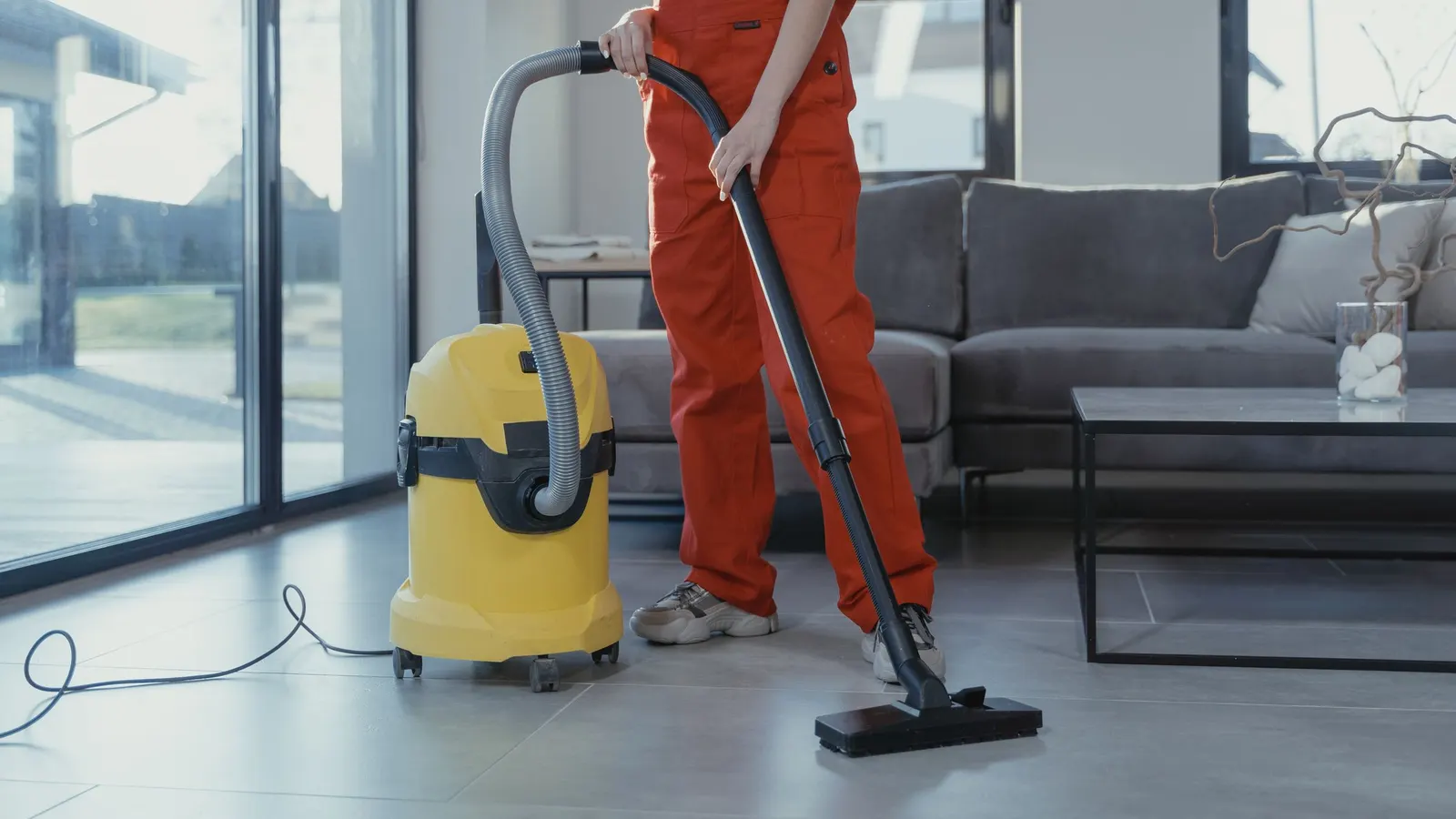
A shop vac is one of the most useful tools a garage can own. It sucks up sawdust, drywall dust, leaves, gravel, broken glass and spilled water that would destroy an ordinary household vacuum. It also cleans out cars, clears clogged drains and keeps a workshop safer by removing the dust and debris that collect around tools.
Last reviewed and updated: October 2, 2026. Written by Jeremy Jarvis.
Key takeaways
- A shop vac handles debris, sawdust and water that would ruin a household vacuum.
- Compare airflow and suction, not just peak horsepower, and choose a tank size you can lift when full.
- Use the right filter: a foam sleeve for water, a fine or HEPA-rated cartridge or bag for dust.
- Never vacuum flammable liquids or hot ashes, and wear hearing protection; OSHA notes noise over 85 decibels can damage hearing.
This guide explains how to choose a shop vac by size, airflow and filtration, and how to use it for wet spills, fine dust and power tools. It also covers noise, safety rules and maintenance. If you work with large woodworking machines, compare this with our dust collector guide.
What a shop vac is
A shop vac, also called a wet/dry vac, is a heavy-duty vacuum built around a tough tank, a powerful motor and a wide hose. Air and debris flow into the tank, where heavy material drops out, and the air passes through a filter before leaving. Because the motor is protected from the debris, the vac can pick up wet and dry messes that would clog or ruin a household machine.
Most shop vacs share the same basic design: a tank on casters, a removable motor head, a hose and a set of nozzles. The differences lie in size, power, filtration and features. As a result, choosing well means matching those details to how you will use it.
Shop vac vs household vacuum
Household vacuums are designed for carpet and light dust. They have narrow hoses, delicate filters and motors cooled by the air that passes through them. In contrast, a shop vac has a wide hose that swallows chunks, a tank that holds liquids and solids, and filters chosen for the job.

Free download: The Garage Makeover Planner
Our 12-page printable planner: garage profile, measurements and layout grid, declutter tracker, zone plan, floor chooser, door safety checks, budget worksheet and order of work.
That said, a shop vac is not a perfect substitute for a house vacuum. It is louder, bulkier and often lacks the brushes that clean carpet well. In a garage, though, it is the right tool for almost every cleanup.
Types of shop vac
Several styles suit different garages and tasks.
| Type | Strengths | Best for |
|---|---|---|
| Canister wet/dry vac | Large capacity, strong suction | General garage and workshop cleanup |
| Small portable vac | Light, easy to carry and store | Cars, quick spills, small spaces |
| Wall-mounted vac | Saves floor space, long hose reaches the whole garage | Organized garages, detailing |
| Cordless vac | No cord, uses tool batteries | Quick jobs and cars away from outlets |
| Dust extractor | Fine filtration, auto-start for tools | Sanding and dust-heavy tools |
For most garages, a mid-size canister wet/dry vac is the core tool. A small portable or cordless unit makes a handy second vac for cars. Meanwhile, a dust extractor suits people who sand a lot.

Choosing a tank size
Tank size, listed in gallons, decides how much you can collect before emptying. A larger tank means fewer trips to the trash when clearing sawdust or water. However, a large tank full of water is heavy and awkward to lift.
Think about your typical jobs. For example, cleaning up a flooded corner or a burst water heater favors a large tank. By contrast, vacuuming a car interior or the workbench favors a small, light unit. Many owners therefore choose a mid-size tank as a compromise, and choose the largest one they can comfortably lift and empty.
Airflow and suction: beyond peak horsepower
Shop vacs often advertise peak horsepower, but that number says little about cleaning performance. Two specifications matter more. Airflow, usually listed in cubic feet per minute, measures how much air the vac moves; high airflow picks up light, bulky debris such as sawdust and leaves. Sealed suction, sometimes called water lift, measures how hard the vac can pull; high suction lifts heavy debris and water.
A good garage vac balances both. Also remember that hose diameter and length affect performance. A wide, short hose moves more air for bulky debris, while a narrow hose increases velocity for fine work and tool ports. Whenever possible, compare airflow and suction ratings rather than horsepower.
Filters for every job
The filter decides what the shop vac can safely collect. Using the wrong one either clogs the vac or blows fine dust back into the air.
- Foam sleeve: for wet pickup; protects the motor while letting water collect in the tank.
- Standard cartridge: for general dry debris such as dirt, leaves and chips.
- Fine dust cartridge: for drywall dust, sanding dust and ash once fully cold.
- HEPA-rated cartridge: for the finest particles when air quality matters most.
- Collection bags: capture fine dust before it reaches the filter and make emptying cleaner.
Fine dust is the hardest job. It packs into standard filters quickly and reduces airflow. A bag plus a fine filter, or a cyclone separator ahead of the vac, keeps suction strong much longer.
How to pick up water with a wet/dry vac
Wet pickup is where a wet dry vac really earns its place. First, unplug the vac and follow the maker’s instructions for wet use, which usually means removing the paper cartridge or covering it with a foam sleeve. Next, empty any dry debris from the tank. Then vacuum the water, keeping the nozzle just under the surface for steady pickup.
Most vacs have a float that shuts off suction when the tank is full. When the motor pitch rises and pickup stops, that float has closed. Turn off the vac, empty the tank and continue. Afterward, rinse and dry the tank and filter, so mold and odors do not develop. In damp garages, a dehumidifier helps everything dry faster; our garage dehumidifier guide explains sizing.
Fine dust and air quality
Fine dust from sanding, drywall and concrete grinding is a health concern as well as a mess. OSHA notes that wood dust becomes a potential health problem when wood particles from processes such as sanding and cutting become airborne. A shop vac with the right filter captures dust at the source, which is far better than sweeping it into the air.
For dust-heavy work, use a fine or HEPA-rated filter with a bag, and connect the vac directly to the tool when possible. Also wear a suitable dust mask or respirator during sanding and grinding. Our epoxy floor guide, for example, relies on thorough vacuuming after grinding.

Hoses and accessories
Accessories make a shop vac far more versatile. For example, a crevice tool reaches into corners and car seats, while a wide floor nozzle speeds up garage floors. A brush tool cleans shelves and dusty surfaces. Meanwhile, extension wands save bending, and a longer hose lets the vac stay put while you clean around it.
Hose quality matters too. A crush-resistant, flexible hose lasts longer and kinks less. Locking connections stop the hose from popping off at the tank. Finally, adapters let you connect the hose to power tool dust ports of different sizes.
Connecting to power tools
Many sanders, routers, miter saws and track saws have dust ports. Connecting a shop vac to them captures much of the dust before it spreads. Some vacs include an outlet that switches the vac on automatically when the tool starts, which makes dust collection effortless.
A cyclone separator between the tool and the vac drops most debris into a bucket before it reaches the filter. As a result, suction stays strong and filters last longer. For large machines such as table saws, planers and jointers, however, a dedicated dust collector usually moves more air. Our dust collector guide compares the two.
Noise and hearing
Shop vacs are loud. OSHA notes that noise levels are measured in decibels and that exposure over 85 decibels can damage your hearing. It adds that if you need to raise your voice to speak to someone 3 feet away, noise levels might be over 85 decibels.
If you run the vac for long periods, especially alongside power tools, wear hearing protection. Some vacs have mufflers or quieter motors, and a wall-mounted vac in a corner with a long hose keeps the noise farther from you. OSHA also notes that noise-induced hearing loss is permanent and cannot be corrected with surgery or medicine, so protection is worth the habit.
What never to vacuum
Shop vacs are tough, but some materials are dangerous. Never vacuum gasoline, solvents or other flammable liquids, since vapors can ignite from the motor. Do not vacuum hot ashes, embers or cigarette butts that may still be burning. Likewise, avoid toxic or hazardous dusts unless the vac and filter are specifically rated for them.
Finally, avoid using compressed air as a shortcut for cleanup. OSHA’s workplace rule says compressed air shall not be used for cleaning purposes except where reduced to less than 30 psi, and then only with effective chip guarding and personal protective equipment. A vacuum captures debris instead of blowing it around.
Using a shop vac for car cleaning
Cars collect sand, crumbs, pet hair and road salt that household vacuums struggle with. A shop vac handles all of it. Use a crevice tool along seat rails and console gaps, a brush tool on dashboards and vents, and a wide nozzle on floor mats. In winter, a wet dry vac can also pull slushy water out of rubber mats and carpets before it freezes or turns musty.
For detailing, a smaller portable or cordless vac is often easier to maneuver inside the car. Meanwhile, a wall-mounted unit with a long hose reaches every door without moving the vac at all. Either way, empty the tank afterward, since sand and salt are abrasive and wet debris can smell if left inside.
Storing a shop vac
Shop vacs take up floor space, and their hoses and cords tangle. A wall-mounted vac or a wall bracket keeps everything tidy. Hooks for the hose and a small bin for nozzles keep accessories together. In addition, storing the vac near where you use it most, such as the workbench, makes quick cleanups more likely.
Maintenance
Empty the tank after each use, especially after wet jobs. Tap or rinse filters as the maker allows, and replace them when they no longer clean up. Check the hose for cracks and the cord for damage. Finally, let wet filters dry completely before using the vac for dry debris again, so dust does not cake onto them.
Shop vac checklist
- Choose a tank size you can lift when full.
- Compare airflow and suction, not just peak horsepower.
- Keep foam, standard and fine filters for different jobs.
- Use bags or a cyclone separator for fine dust.
- Connect the vac to power tools with dust ports.
- Wear hearing protection for long runs.
- Never vacuum flammable liquids or hot ashes.
- Empty, rinse and dry the tank after wet jobs.
Where to compare shop vacs
When you know the size and features you need, compare current wet/dry shop vacs, HEPA-rated shop vac filters and cyclone separators. Check tank size, airflow, suction and noise ratings on each listing. For more workshop guides, visit the Workshop and Tools hub.
Frequently asked questions about shop vacs
What size shop vac do I need?
For most garages, a mid-size wet/dry vac balances capacity with weight. Large tanks hold more water and debris but are heavy when full and harder to store. Small portable units suit cars and quick cleanups. Choose the largest tank you can comfortably lift and empty.
Can a shop vac pick up water?
Yes, wet/dry shop vacs are designed for water. Remove or swap the paper filter for a foam sleeve as the maker directs, and use the float shutoff, which stops suction when the tank is full. Empty and dry the tank afterward.
What filter should I use in a shop vac?
Use a foam sleeve for wet pickup, a standard cartridge for general debris and a fine dust or HEPA-rated cartridge, often with a bag, for drywall dust and sanding. Fine dust clogs standard filters quickly and can pass through them.
Is a shop vac enough for woodworking dust?
For small tools such as sanders and routers, a shop vac with a fine filter and a cyclone separator works well. OSHA notes wood dust becomes a potential health problem when particles from sanding and cutting become airborne. Larger machines usually need a dust collector.
Can I use compressed air instead of a shop vac to clean up?
A vacuum is usually safer. OSHA’s workplace rule says compressed air used for cleaning must be reduced to less than 30 psi and used only with effective chip guarding and personal protective equipment, because blown dust and chips can injure eyes and spread fine dust.
Sources and how we researched this guide
This guide is research-based. We did not test vacuums for this article; we compared common designs and specifications and used OSHA guidance on wood dust, noise and compressed air. Follow each vacuum maker’s instructions for filters, wet pickup and the materials it must never collect. Found something out of date? Tell us and we will check it against the source.
- OSHA: Wood dust
- OSHA 29 CFR 1910.242: Hand and portable powered tools
- OSHA: Occupational noise exposure
Keep planning
- Rolling Tool Box: Chests, Carts and How to Choose One
- Garage Workshop Ideas: Layouts, Power, Light and Safety
- Garage Workbench: Types, Height, Tops and Setup Ideas
- Garage Lighting: How Much Light, Which LEDs and Where
Go deeper: Workshop hub · Garage Lighting Calculator · Air Compressor CFM Calculator

Written by Jeremy Jarvis
Jeremy Jarvis is the founder and editor of Garage Playbook, where he builds research-based guides and free planning tools for garage doors, floors, storage, heating and cooling, and workshops. He sets the site's editorial standards, checks every guide against official sources such as federal safety standards, EPA and OSHA guidance and manufacturer documentation, and is responsible for corrections. Jeremy also founded Eco Nomad Travel, Mind Clarity Hub, SilkHarborTravel, WanderOza Travel, Freedom Road Living and PowerProof Home, and he is the author of books on clarity, focus and practical AI, including The Power of Clarity and Digital Clarity.